
Elena Blasco
Millions and Abundant Reasons
Documentary
30 min. | 2012
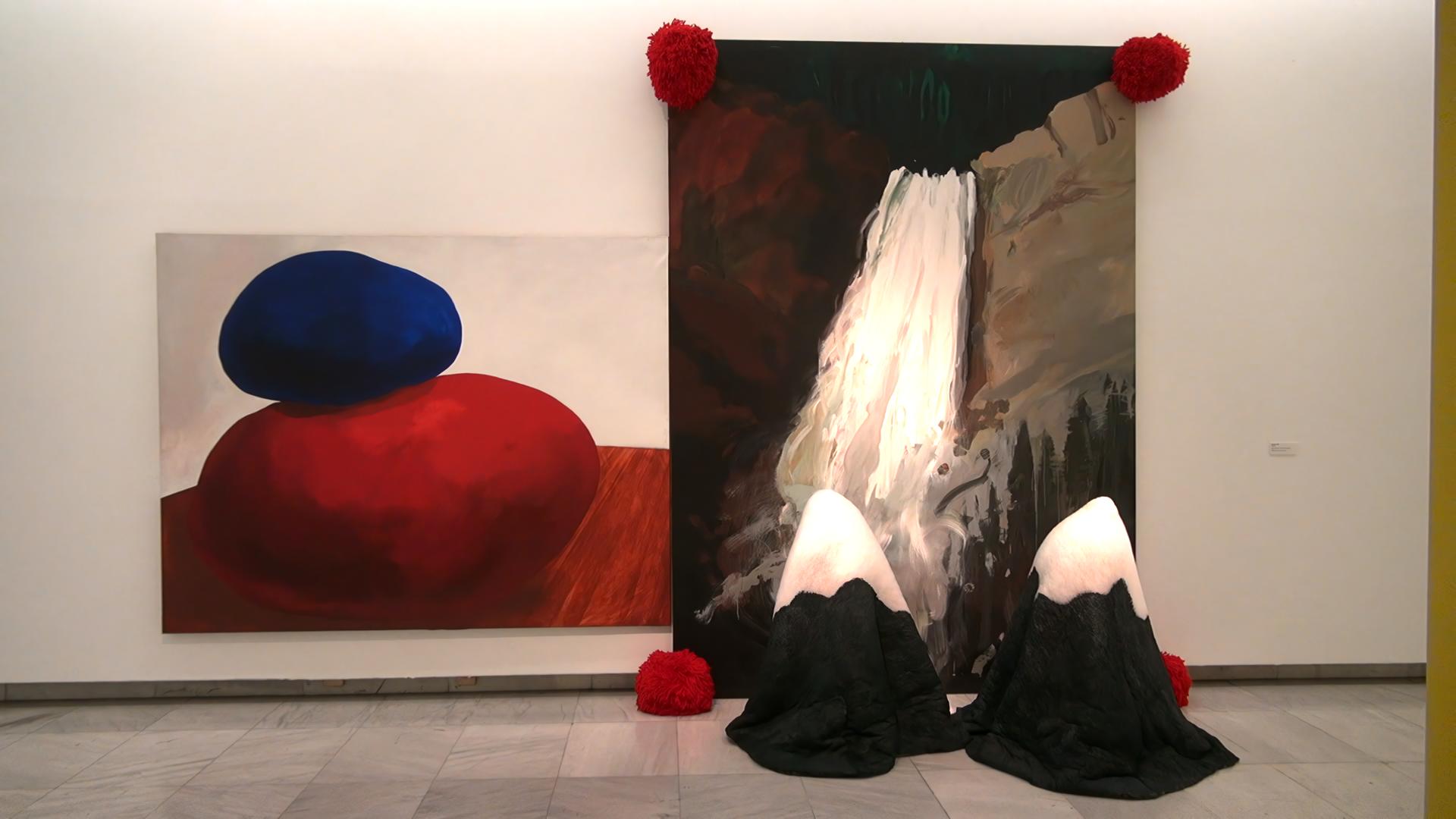
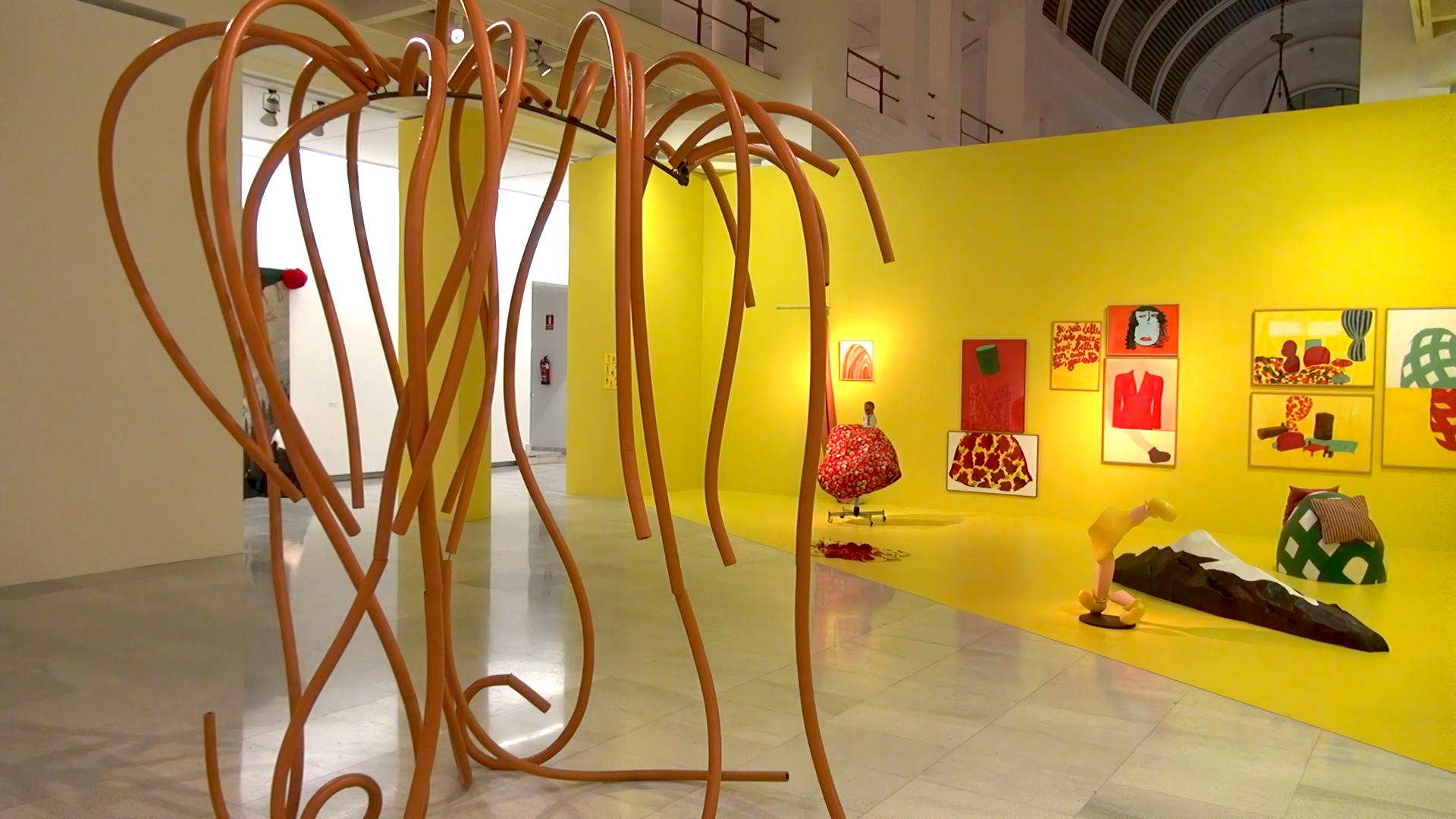
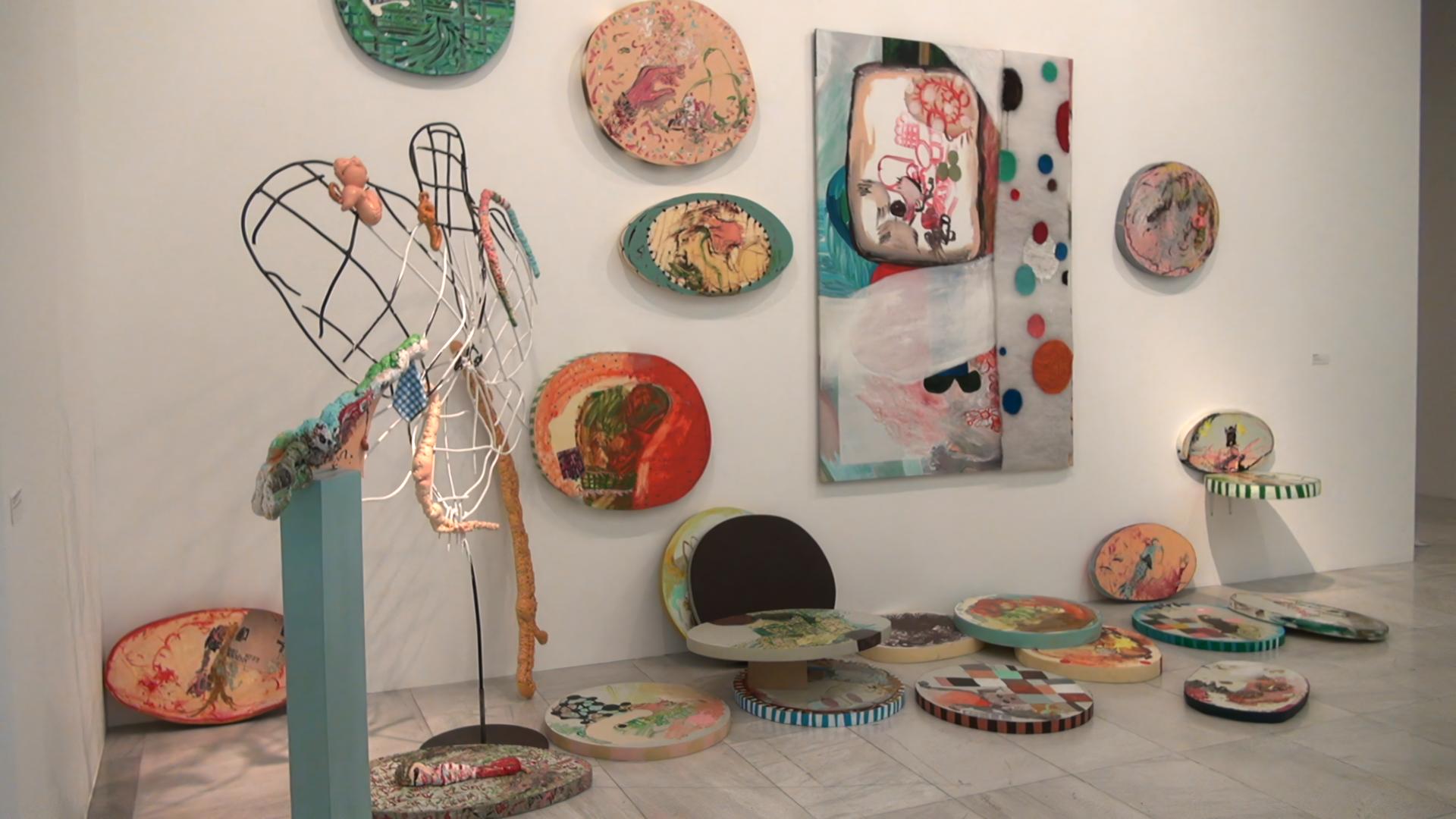
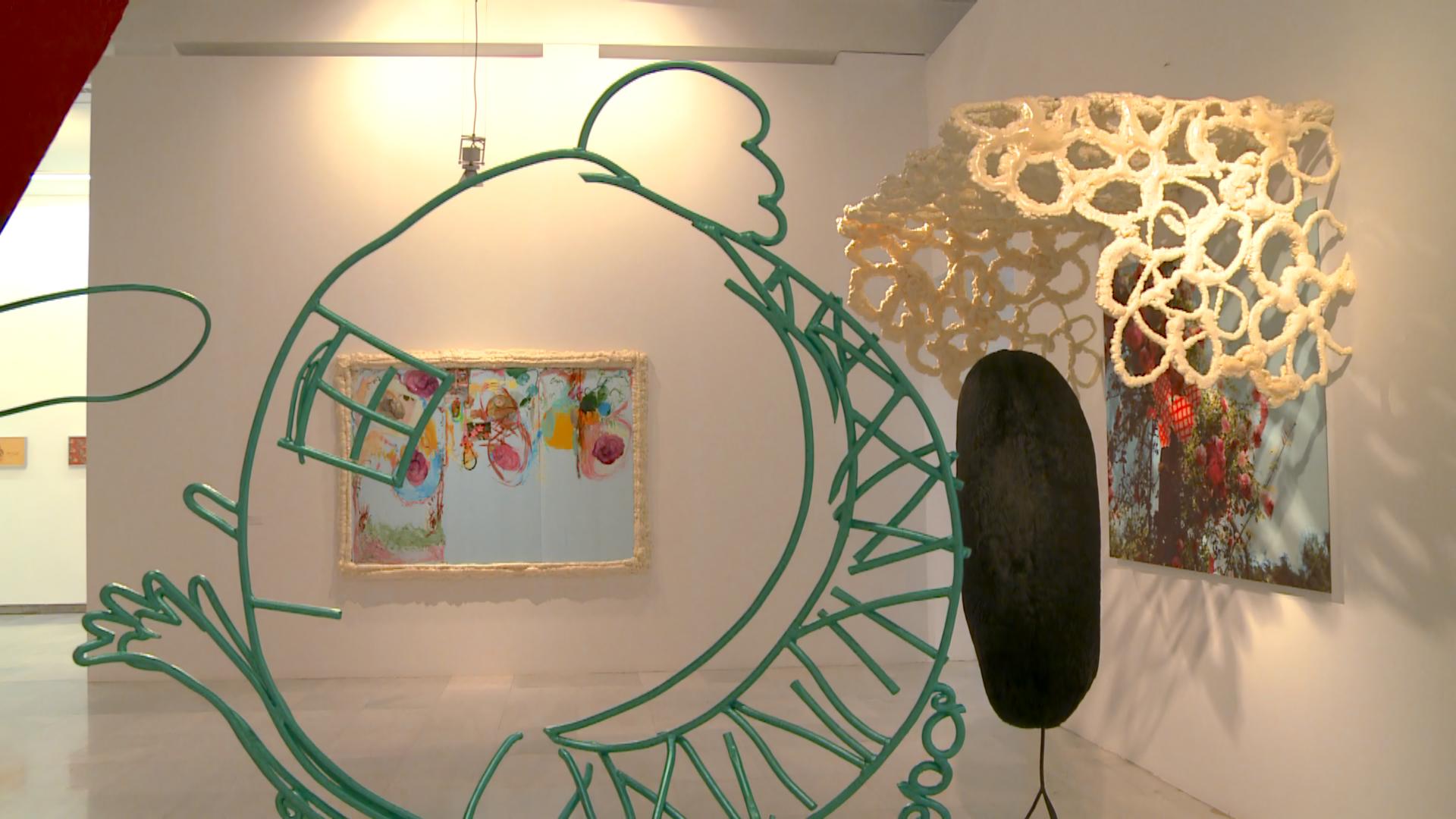
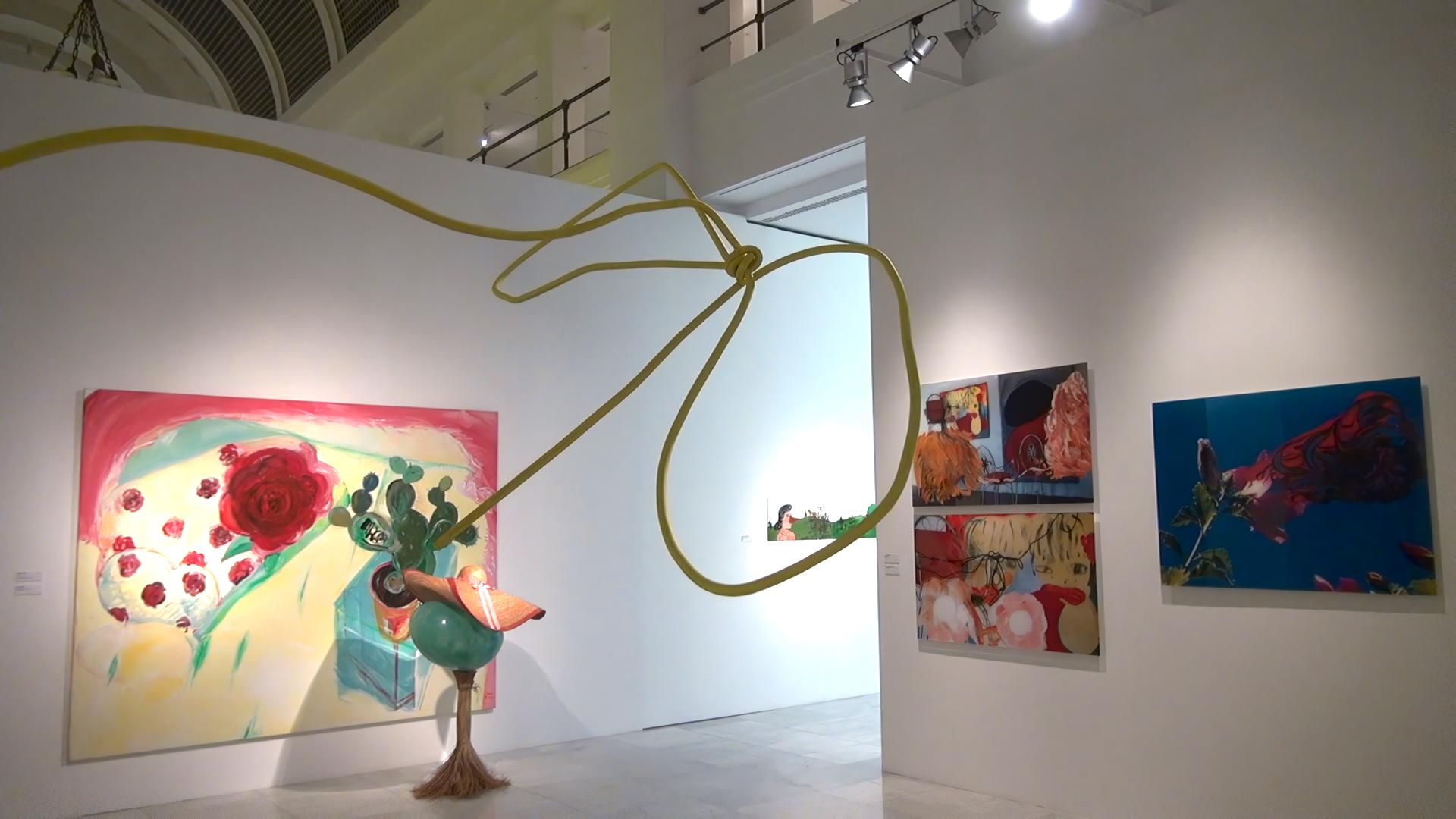
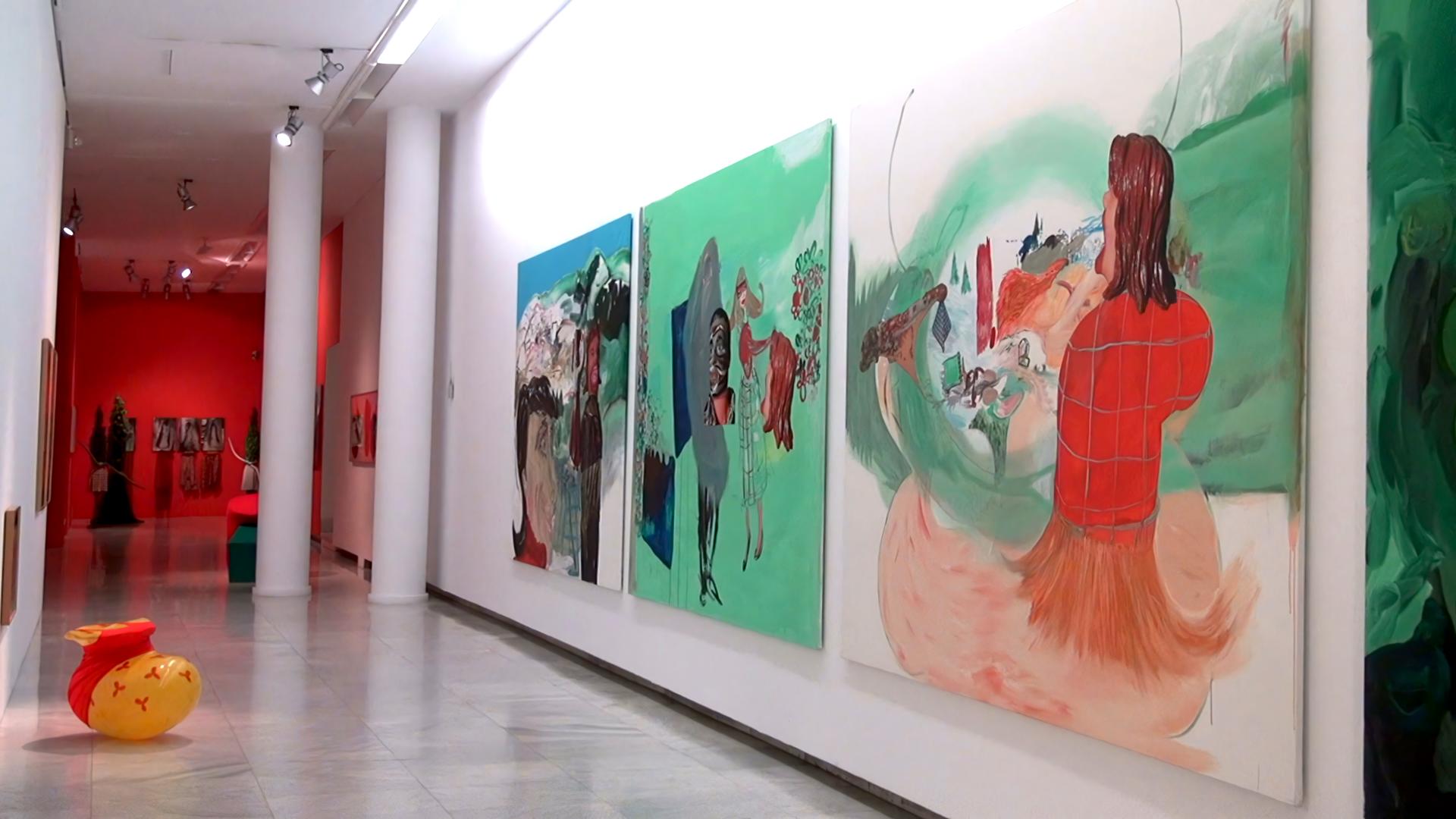
In 2012, the artist Elena Blasco asked us to make a documentary about her exhibition Millions and Abundant Reasons, which was held at Sala Alcalá 31 in Madrid. Over the course of thirty minutes, Blasco explains the crucial moments in her artistic evolution, how her works come into being, the ideas behind them, and the materials she uses. She also describes how they interact with each other and how their meaning changes depending on their placement within the exhibition space. Humour plays a decisive role in her work, but behind this light-hearted appearance lies a critical attitude towards social reality and the prejudices of the private sphere. Elena Blasco talks about painting, sculpture, photography, installations, drawings and engravings, works whose titles are often disconcerting and jocular, such as Ancha es Castilla y ni falta que me importa, Pensamiento fértil a más no poder or Ella se violaba a menudo también.
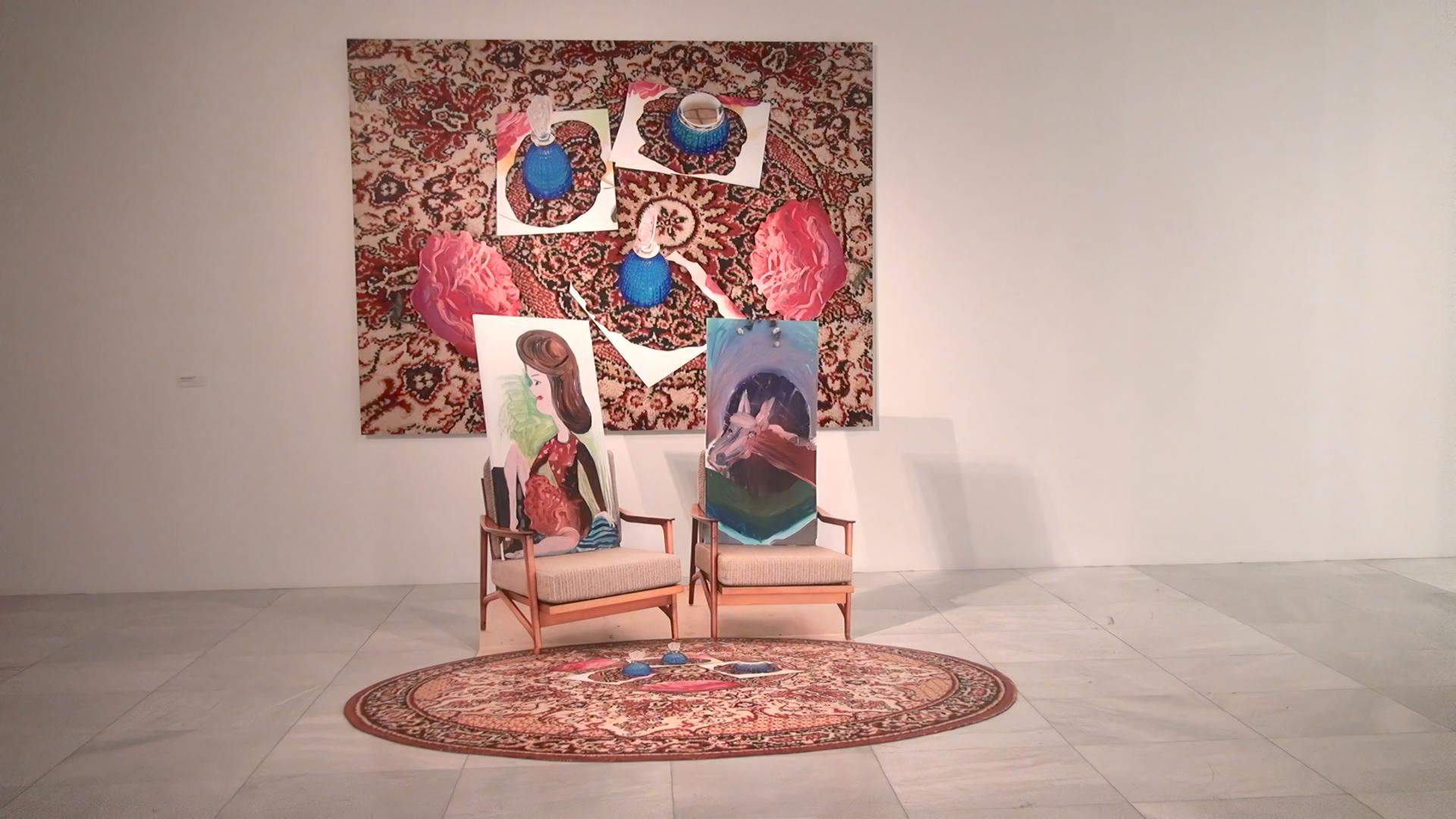
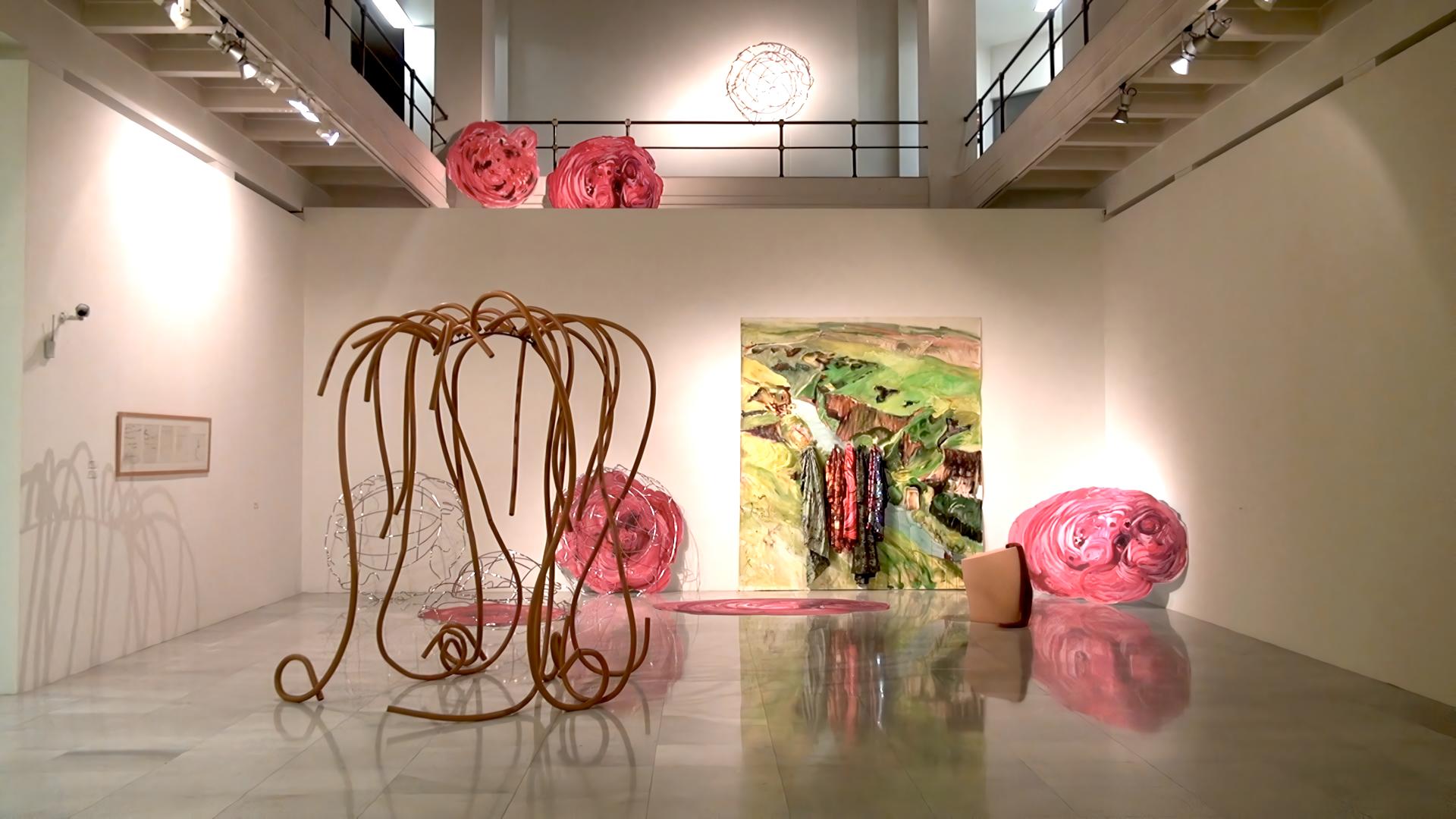
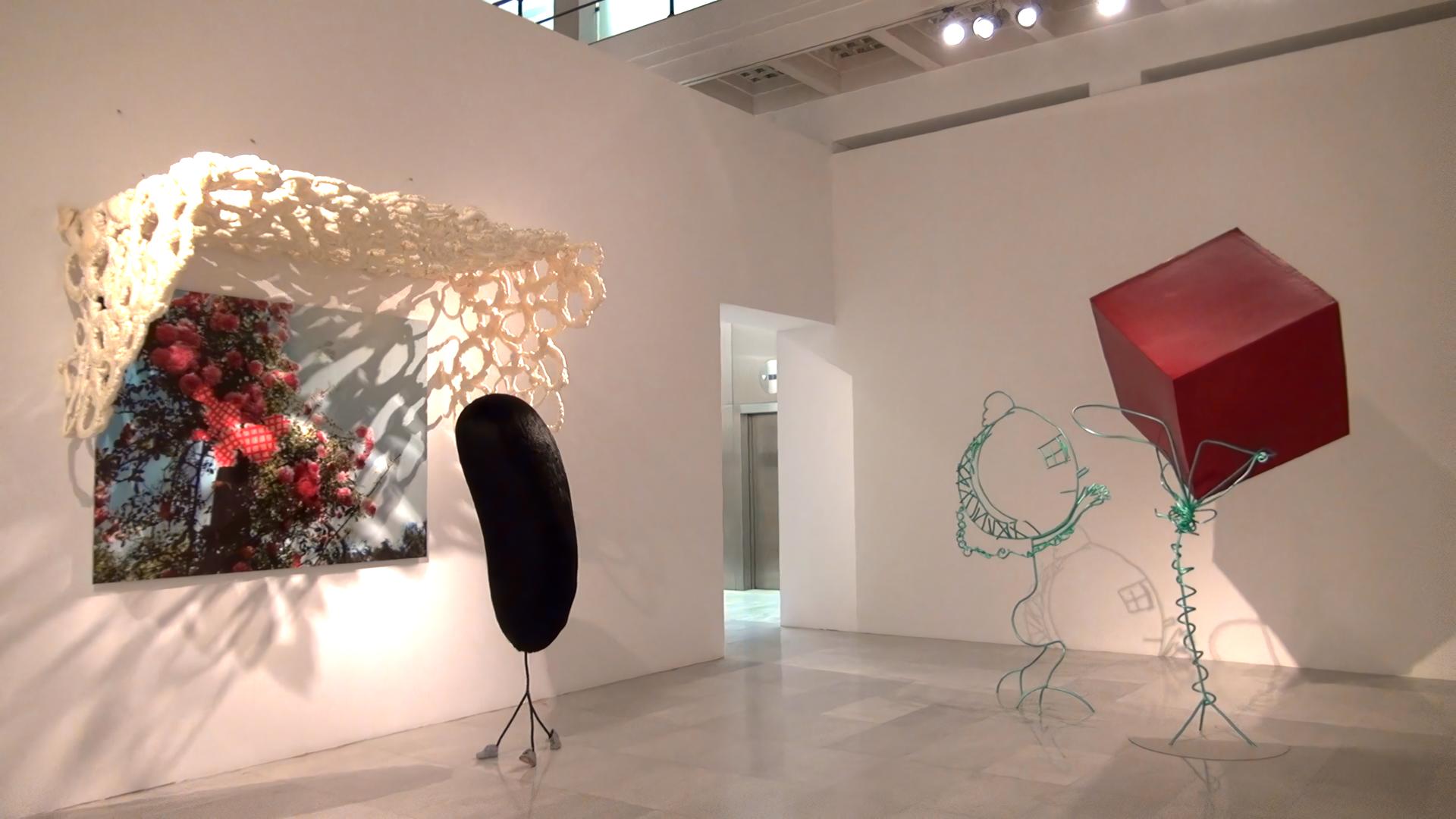
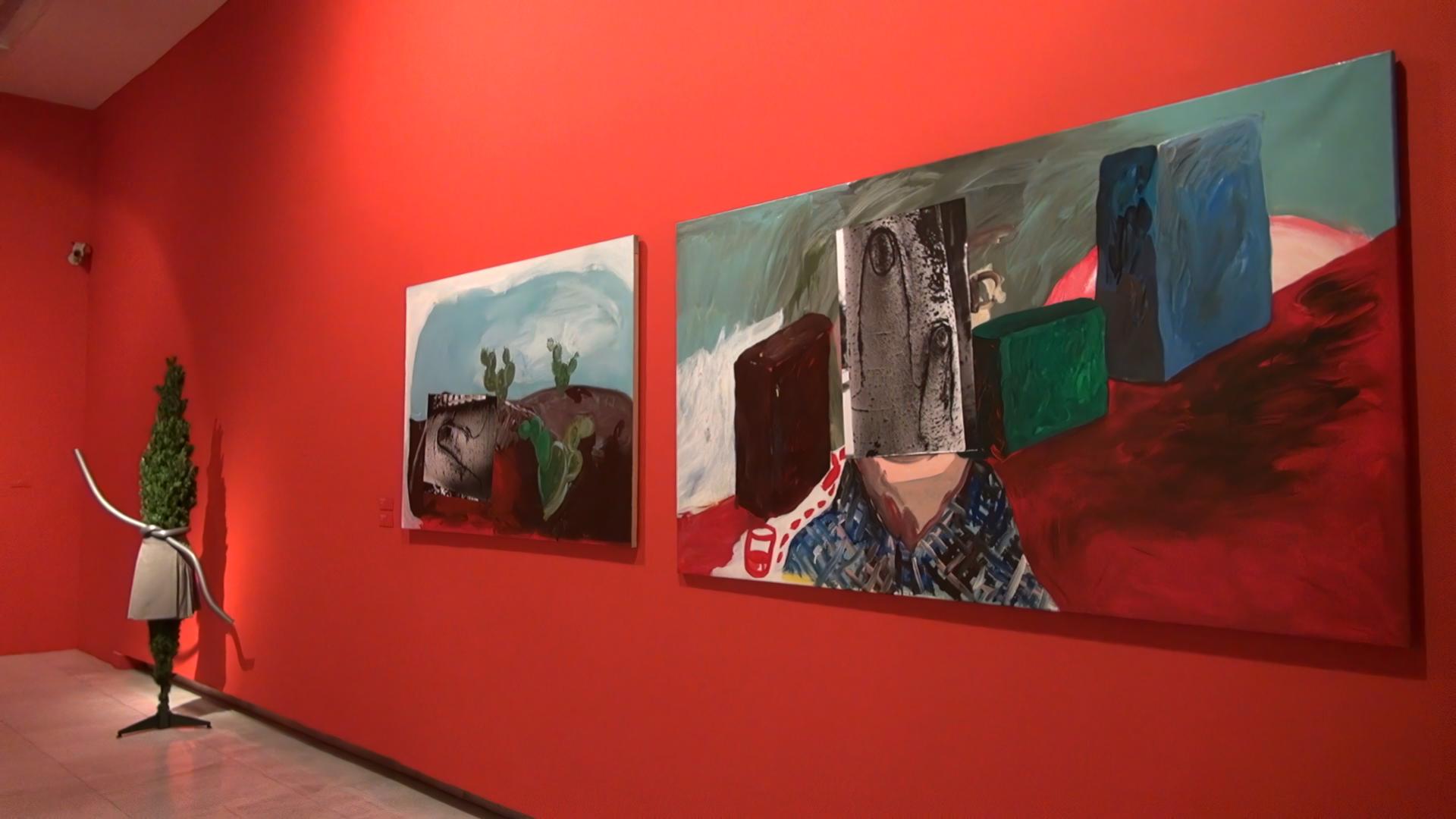
Excerpts from the exhibition catalogue
“I’ve never ‘thought’ of myself in terms of ‘what I am’ or ‘what I’m not.’ In Fine Arts School, I chose painting, and it’s true that when I started working, I clearly felt like a painter. But what happened—and I’m not talking about the first moments, but very early on—was that when I started making paintings, I knew precisely what was going to come out, the painting I was going to paint, as if I had a photograph before my eyes, I saw the final image with incredible clarity, so I just had to do it and that was it. At first, this was stimulating, but I soon realized that, having already ‘seen’ it beforehand, doing it was boring. That was, in fact, the reason I began to be interested in sculpture, or rather, the reason I started making objects. Because back then, I didn’t know what could happen. I wanted to see what would come out; I was interested in ‘not knowing how to do the thing.’ I wrote a short story about this subject a while ago. It talks about You have to do what you don’t know how to do. Do it from what you’re not; always be a beginner because what stimulates me is exploring. Boredom strikes when you know what you know. And that’s not it. Maybe, on second thought, I am a painter. I really like staining, getting dirty, working with colors… But I could also tell you something else.
“Here, what happens is that nothing is the same way, not a field, not a person, nothing is fixed. Here, everything mutates. And that’s easy to observe. So I try to ensure that these mutations occur simultaneously in the piece. Because I want to tell the whole world… That’s why they could also be infinite, in the sense that I take a piece from 1992 and would continue mutating it. I’ve done it with some in this exhibition, simply by placing an object of another sign next to it and zzsssss… they slide into another meaning, and those shifts are very good. Actually, my favorite ingredient is metaphor. So I can be very corny, but then I take it to horror by way of laughter. If you go beyond a fixed point of view, you can put a woman’s nose in her ear, as our friend did, because this is the same, but not with noses, but with meanings.
It’s true that I relativize, but not out of disbelief, which is also true (I’ll start now), but because I believe that this The world is very complex; that is, rich; that is, verbose, exuberant, shocking… Just look at an octopus! Or your grandfather! “I wasn’t aware of the humor in my work until people started insisting on it; they must have seen it very clearly. I didn’t see myself as someone with much of a sense of humor; I would have thought I was more serious. Not anymore. I don’t think I’m trying, at least not deliberately, to put up barriers. I use colors very deliberately to say whatever I want in whatever tone I want, and I can say it kindly, humorously, with a smile… I talk about what worries me, what bothers me, what obsesses me, or what drives me crazy. I know that when I speak with those colors, there will be people who will stop there. But, please… those reds are bloodstains even if they look like flowers. For me to be jovial because I use a lot of yellow is stupid. I’ve always fought with color as a throwing weapon, as the opposite of black, wood, iron, stone, against the large, the museum, the neutral, the heavy. My weapons are colors, common materials, lightness, and scales and sizes that have a physical connection with me.”
“I’d never thought my work had a contagious quality; if so, I suppose it means something stimulates or attracts the viewer. Of course, when I come across a work or an artist I truly like, I’d rush to the studio to work because, in some way, it’s charged me with energy. If what you’re saying were true and that happened to someone who sees my work, I’d be incredibly flattered. It would mean it had affected their perception. What has happened to me quite frequently is hearing comments like ‘how jovial,’ ‘how cheerful,’ ‘you must look wonderfully jovial’… And I wondered why a work that spoke of painful or terrible things had given someone so much joy. It also shocks me that my work is jarring, as if we didn’t live among poodles, broccoli, livers, fat toes, etc. Anyone who has ever really looked at a cat has something to be surprised about for a lifetime.”