

Out of Control. Reports on the Atomic Bomb
Out of Control. Reports on the Atomic Bomb
Directed by Beatriz Caravaggio
Colour and B&W | 50 min. | 2023
This film is the result of four years of research and artistic experimentation carried out by Beatriz Caravaggio in the field of nuclear testing and weapons development. Using materials declassified by nuclear-armed countries, the film exposes the latent existential threat to life on Earth, opening a debate on science and ethical values in relation to nuclear weapons.















With the support of the BBVA Foundation
Music composed for the film by Klaus Nielsen
In August 1939, Albert Einstein sent a letter to President Roosevelt in which he shared his suspicions that Adolf Hitler might be working on a new and devastating weapon: the atomic bomb. The fear roused by the combination of a totalitarian regime of expansionist and genocidal inclinations with a weapon of mass destruction led him to urgently recommend launching a nuclear weapons development program that could face up to Nazi Germany. Roosevelt understood the gravity of the threat and authorized the launch of the gigantic Manhattan Project: advanced science and technology at the service of military objectives. To that end, a large number of brilliant scientists and technology experts – many of them recent arrivals in the United States after fleeing from Nazism – gathered in Los Alamos (New Mexico) under the scientific leadership of physicist J. Robert Oppenheimer and the military leadership of General Leslie R. Groves. This led to the first successful atomic detonation taking place on July 16, 1945 in the New Mexico desert. The Trinity Test involved a 20-kiloton explosion that demonstrated hitherto unseen destructive power while also, and perhaps more crucially, evidencing the power of physics.
The scientists were astonished at witnessing the colossal destructive potential of this new weapon on which they had been working feverishly, day and night, under the heroic premise of dealing with a latent threat, and with the added excitement of raising our knowledge of matter to a higher level. By that time, however, Germany had already been defeated on the battlefield. In this changed context, a small group of scientists in Los Alamos now felt uncertainty and anxiety over the use of the atomic bomb. They had become convinced that not only the cognitive aspects of science should be taken into consideration but also the human interests and values at stake. Instead of wondering what could be done with nuclear weapons, the question of what should be done became foremost in their minds, and they tried to dissuade political and military leaders from using them as weapons of mass destruction against Japan.
Nonetheless, there was a difference of opinion among the scientists. When asked whether the bomb should be dropped or not, the majority, including Robert Oppenheimer himself, replied that being a scientist gave them no special qualifications to answer explicit questions about the universe of values and the objectives of knowledge, about the “should.” They accepted the existing “division of labor” – scientific and military – and preferred to remain silent on matters related to decisions not strictly within their field of expertise.
The Little Boy bomb hit Hiroshima twenty-one days after the successful Trinity Test and, three days later, Fat Man was dropped on Nagasaki. The world would never be the same again. 200,000 people died in just two instants, two moments of terrifying destruction, but those numbers would continue to rise significantly over the following weeks and months due to burns, radiation, cancer, lack of medicines and malnutrition.
Since those harrowing events, more than 2,000 nuclear tests have been carried out by countries with varying political structures: the United States, the former Soviet Union, the United Kingdom, France, China, India, Pakistan, North Korea; in oceans, tundra, deserts, mountains; atmospheric detonations, terrestrial detonations, underground detonations, underwater detonations. These explosions grew in yield and kilotons became megatons, surpassing 3,100 times the power of the bomb that fell on Hiroshima. Limitless, compassionless destructive capability in an unstoppable arms race that did not flinch at conducting refined nuclear tests, evicting the inhabitants of idyllic islands to do so and destroying their coral reefs, or exposing hundreds of animals and, in some cases, even guinea-pig troops to radiation. Detonations that destroyed and polluted the environment, natural resources and wildlife with their radioactive fallout, posing an existential threat to life on planet Earth.
Governments systematically and methodically filmed these nuclear tests, accumulating thousands of audiovisual records that have come to light with the passage of time, enabling us to watch them with a mixture of astonishment, horror and perhaps a certain fascination at their power and awesome destructive beauty. They were filmed in order to scientifically study each step of the detonation process, with the feeding these visual data back into an ongoing project to control this destructive power.
Accompanying and complementing these films, hundreds of reports, memoranda, essays and documents were written, all classified. Using the powerful tools of scientific analysis, these documents dissected every aspect of nuclear operation: meteorological variables, infrastructures, radiation levels, expansive wave, yield, exposure level, thermal radiation, effects on various types of living beings, etc. Nothing was left unmeasured or undocumented in a series of reports in which human beings, animals and life itself were merely objects for analysis and intervention. For the most part, everything related to the field of ethics, respect for the principle of dignity and the preservation of life was omitted from the scope of consideration of those thousands of pages.
“Where the danger is, there also grows the saving power,” wrote the poet Hölderlin in his poem Patmos. Today we are well aware that the applied power of knowledge can provide effective and much-needed solutions to pressing problems, and in some crucial areas it is precisely this power that is both the threat and part of the solution. The precision and control of nuclear tests, captured in objectified images and reports and that provide the subject matter for Out of Control. Reports on the Atomic Bomb, resulted in vast stockpiles of weapons of mass destruction, the consequence of an unstoppable arms race that was genuinely out of control. Science is a transformative and fundamentally liberating force. However, the continuity and improvement of life on Earth also depend on dialogue with other cultural constructs, from the humanities to the arts, and on participation by plural social forces in those decisions that involve existential risks on a global scale.
The cinematic narrative of Out of Control provides the framework for the musical composition by Danish musician Klaus Nielsen. The score, written specifically for the film, is an experimental soundscape that incorporates twisted and distorted field recordings and compositions generated with synthesizers and samplers. Nielsen draws his inspiration from the consequences of the nuclear arms race on the planet. The unsettling and futuristic nature of his music contributes to the unique atmosphere of the film.
mas info lorem ipsum
Change the color to match your brand or vision, add your logo, choose the perfect layout, modify menu settings, add animations, add shape dividers, increase engagement with call to action and more. Change the color to match your brand or vision, add your logo, choose the perfect layout, modify menu settings, add animations, add shape dividers, increase engagement with call to action and more.
Change the color to match your brand or vision, add your logo, choose the perfect layout, modify menu settings, add animations, add shape dividers, increase engagement with call to action and more. Change the color to match your brand or vision, add your logo, choose the perfect layout, modify menu settings, add animations, add shape dividers, increase engagement with call to action and more.
Change the color to match your brand or vision, add your logo, choose the perfect layout, modify menu settings, add animations, add shape dividers, increase engagement with call to action and more. Change the color to match your brand or vision, add your logo, choose the perfect layout, modify menu settings, add animations, add shape dividers, increase engagement with call to action and more.
Change the color to match your brand or vision, add your logo, choose the perfect layout, modify menu settings, add animations, add shape dividers, increase engagement with call to action and more. Change the color to match your brand or vision, add your logo, choose the perfect layout, modify menu settings, add animations, add shape dividers, increase engagement with call to action and more.
Change the color to match your brand or vision, add your logo, choose the perfect layout, modify menu settings, add animations, add shape dividers, increase engagement with call to action and more. Change the color to match your brand or vision, add your logo, choose the perfect layout, modify menu settings, add animations, add shape dividers, increase engagement with call to action and more.

Different Trains
Portfolio EN
Directed by Beatriz Caravaggio
Colour and b&w | 29 min. | 2016
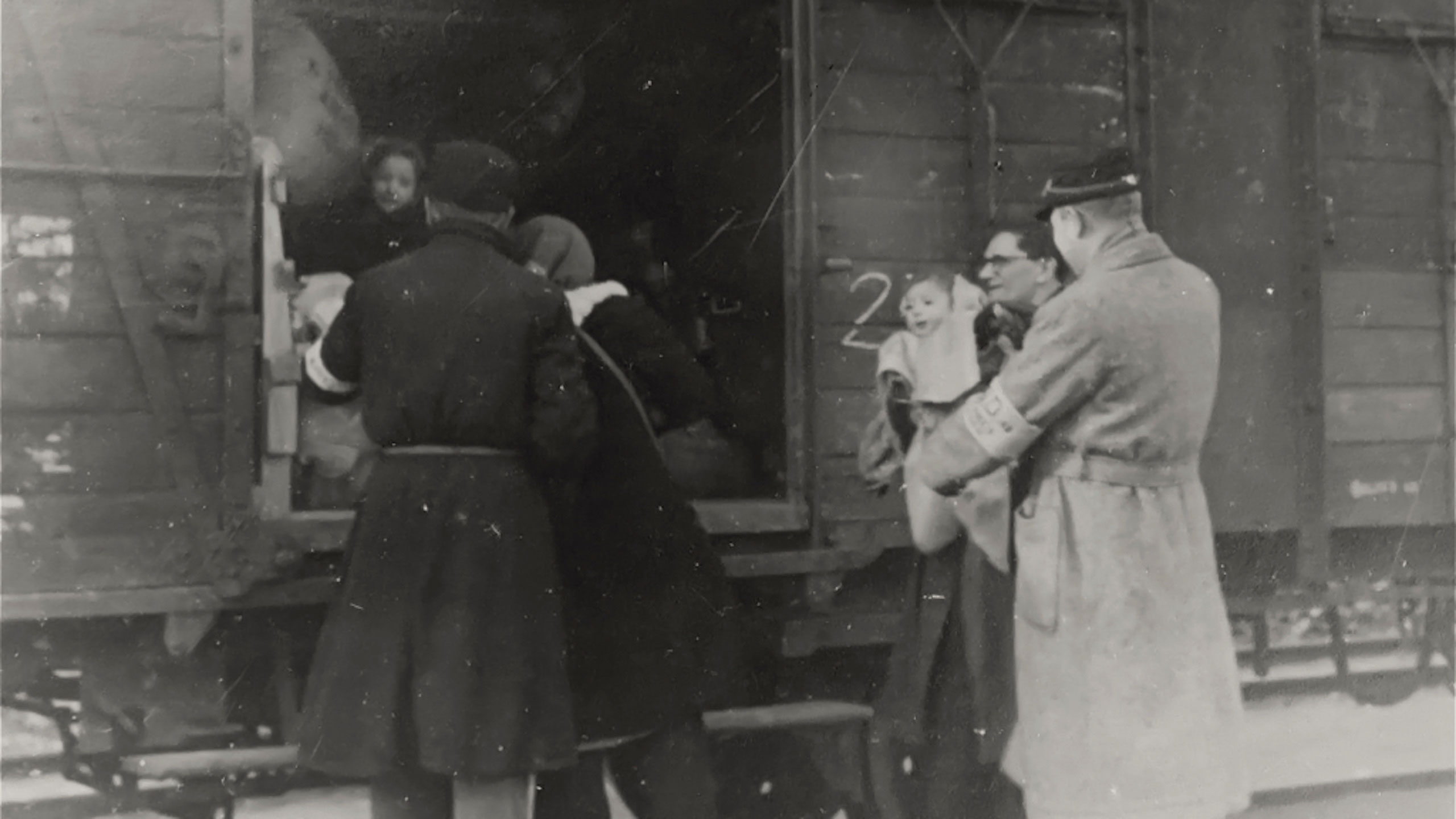
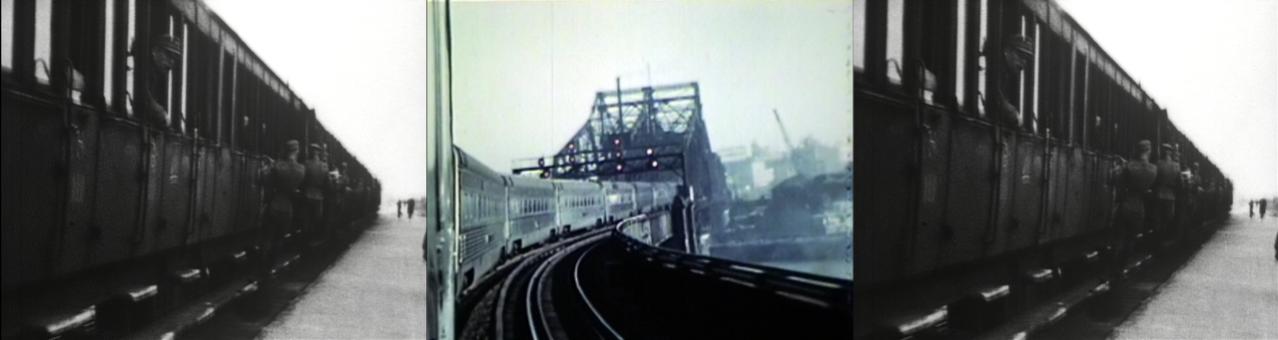
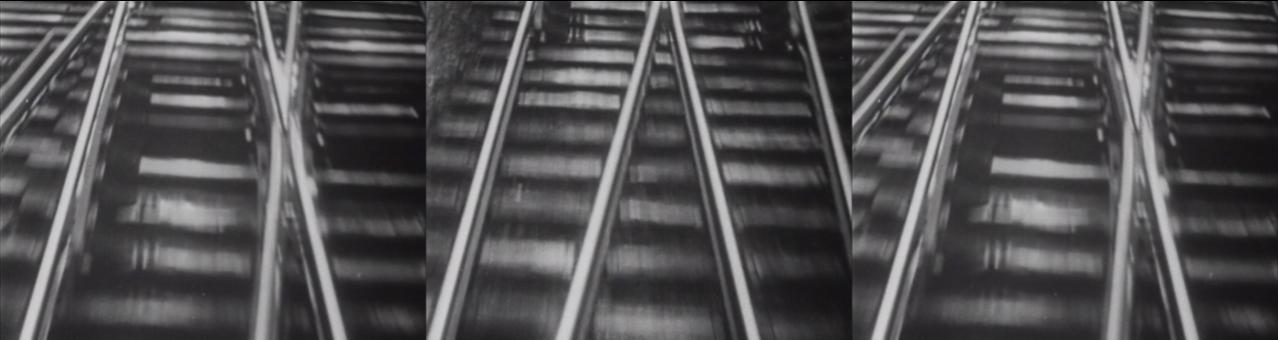
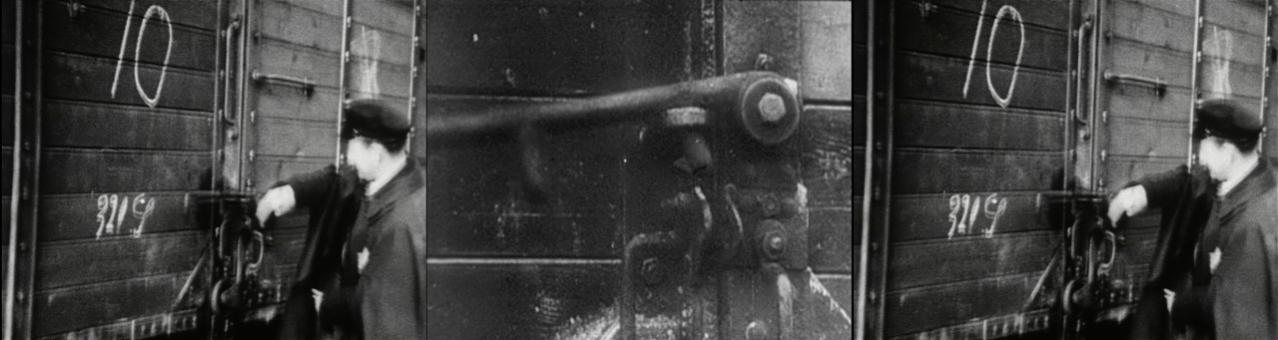
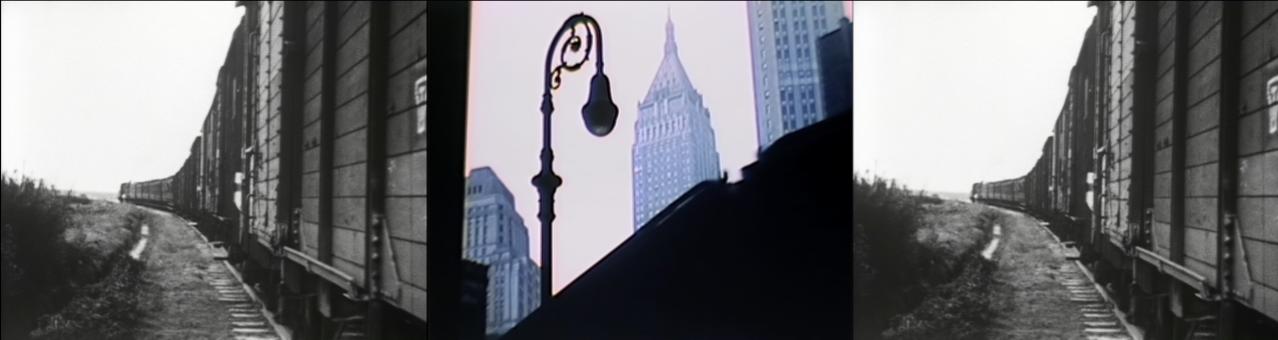
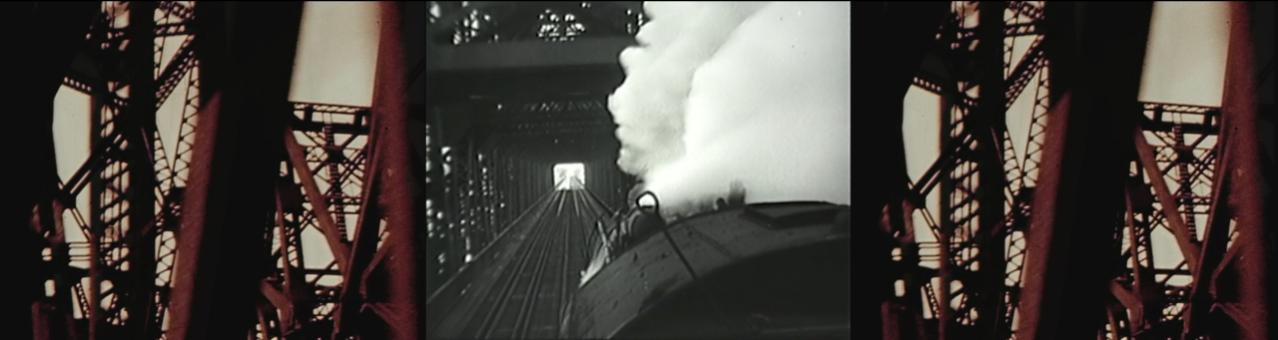
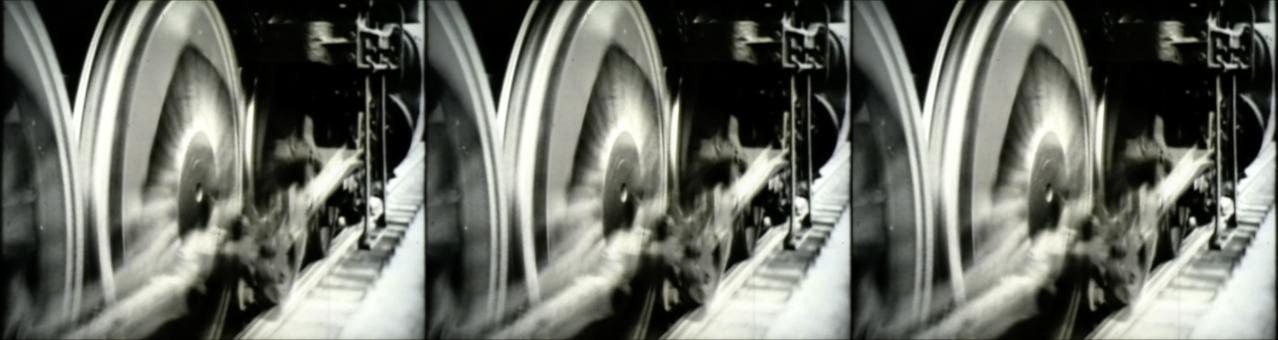
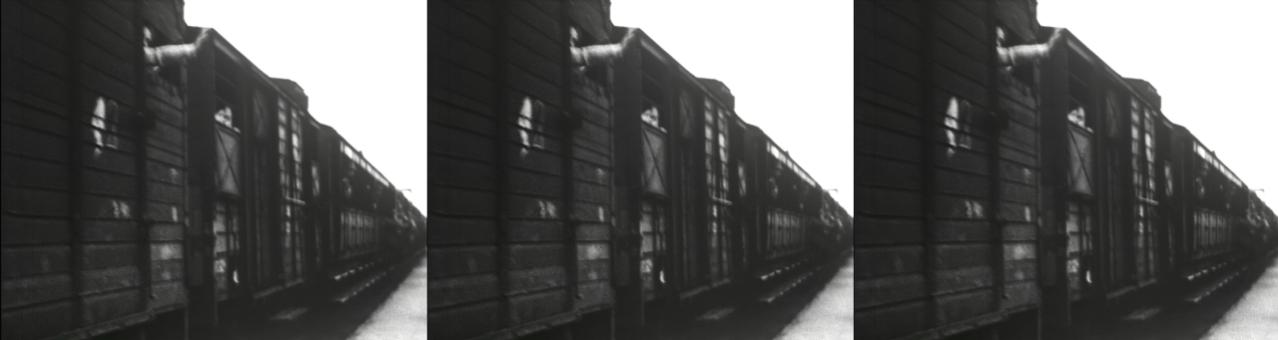
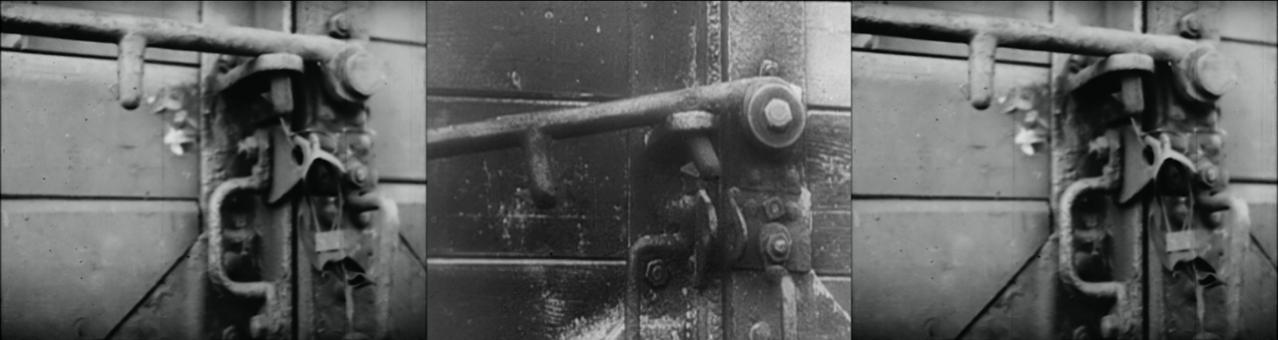
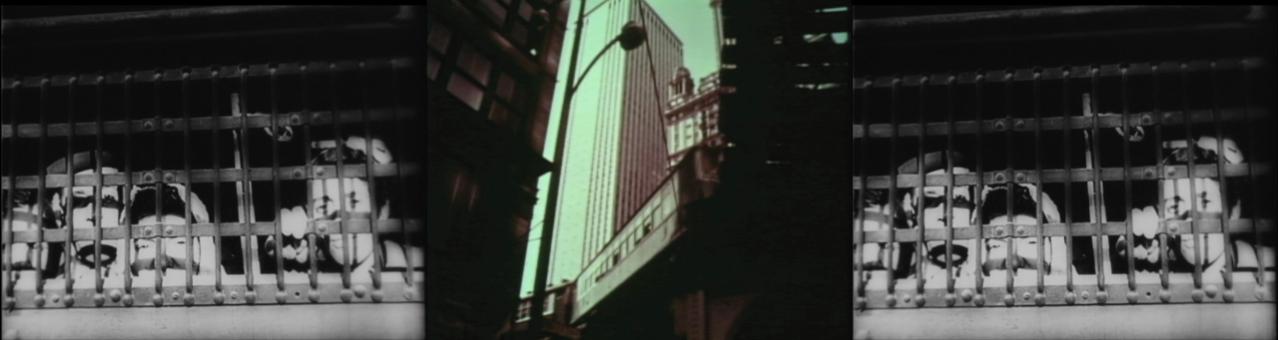
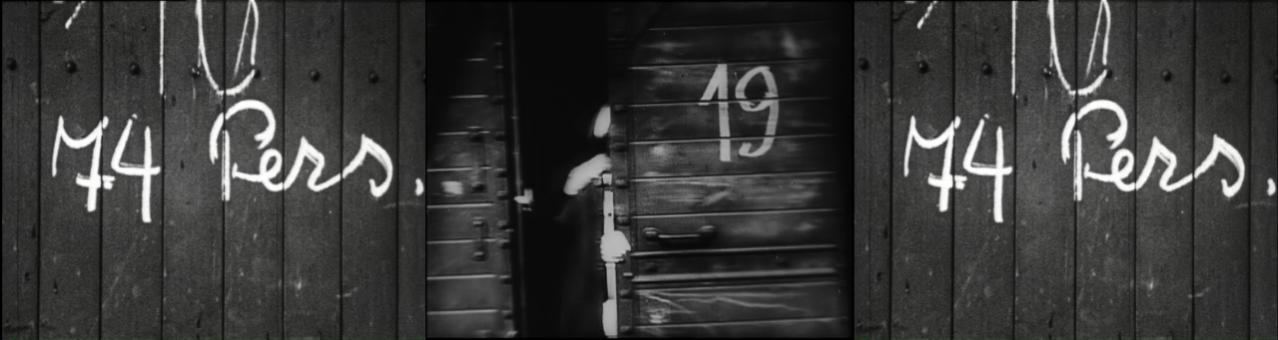
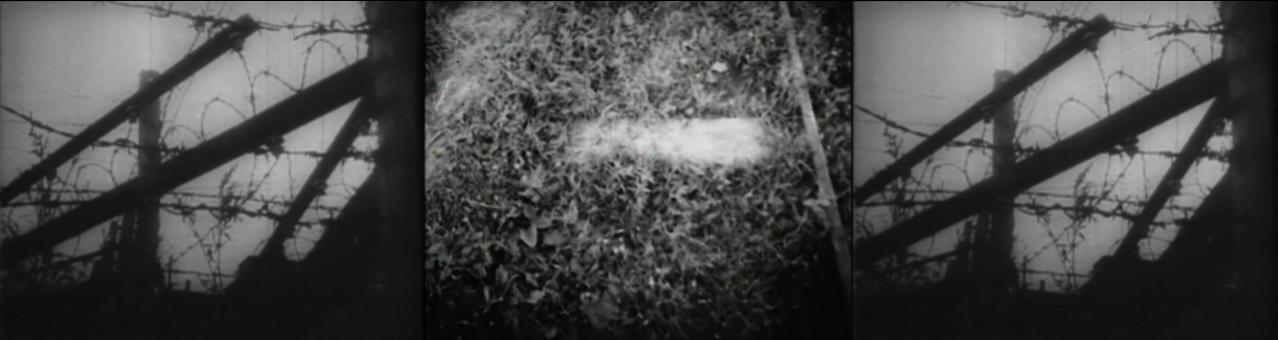
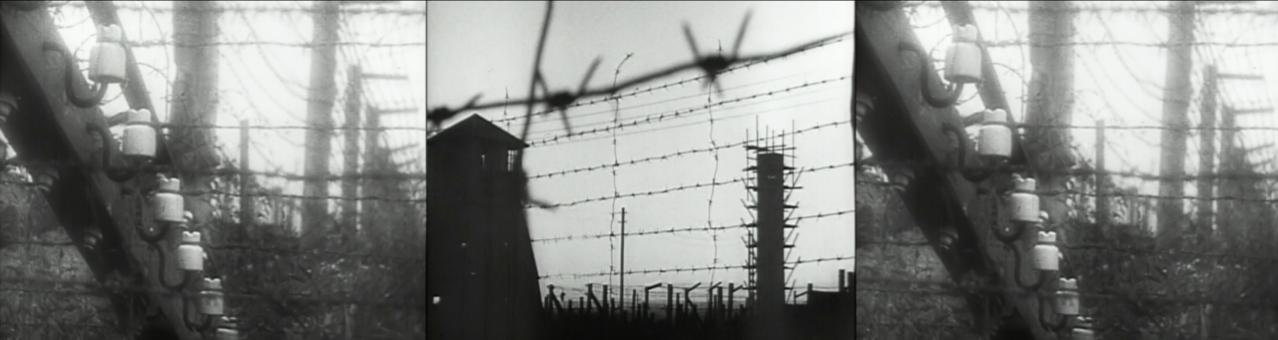
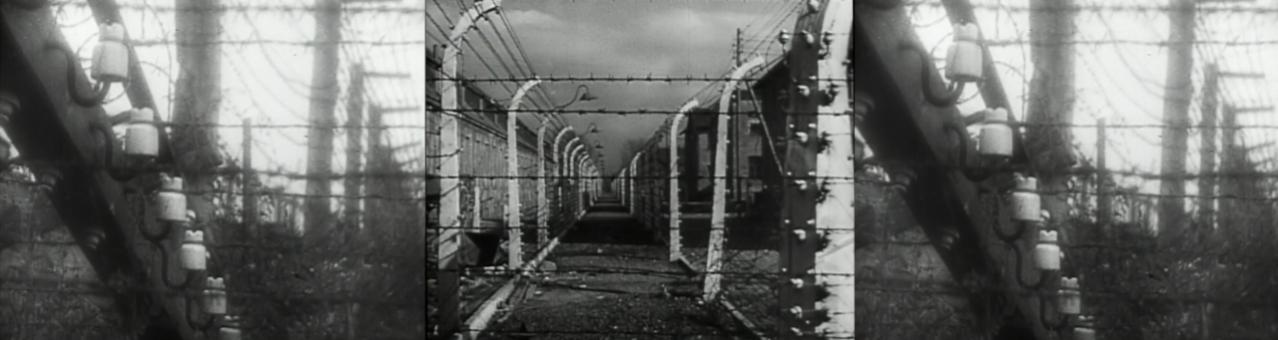
Different Trains brings visual life to the eponymous score composed by Steve Reich in 1988: a three-movement work for string quartet and pre-recorded tape, that reflects the composer’s personal experiences during World War II and confronts them with the horrors of the Holocaust. Created entirely from archival film material, the film uses the train as a symbol of radically different destinies depending on geographical and historical context. Thus, majestic trains travel through the idyllic landscapes of the United States, while in Europe, deportation trains transport Jews to Nazi extermination camps. The film concludes, after liberation, with the survivors’ journey to America. The musical recording synchronised to the film is the canonical version, performed by the Kronos Quartet in 1989.
With the support of the BBVA Foundation
Music by Steve Reich
THE CINEMATOGRAPHIC REWRITING OF DIFFERENT TRAINS
Miquel Martí Freixas
Revisiting, rethinking, looking back upon past events are artistic attitudes of our time. A very active cultural stance in the latest decades, which explores especially the legacies of the twentieth century. This revisitation of the past offers a detailed reflection of the times lived, inscriptions in memory that are still more profound than those that already existed. We might understand this return voyage as a posthumous chapter of the preceding century.
The twentieth century is also the first in which humanity possesses a variety of tools so as to leave extensive records and interpretations of the experiences lived. It is a century that has been printed, photographed, set to a soundtrack, filmed day by day. In the twenty-first century, these multiple tools that record the developments have become globalized and supersaturate their own function. It is a time that is written down, photographed, set to a soundtrack, filmed, shared and experienced virtually every minute in a diversity of formats and platforms. The enormous and rapidly growing amount of material that records the testimony of our time obstructs a calm and distant gaze. Perhaps these obstacles to the comprehension of the twenty-first century also encourage the search for reasons on the trails of the twentieth century. One of the characteristics of these times of multiple registries is their intersection. They are mixed, interactive, participatory expressions. A distinctive feature that is also adopted in contemporary art. An example of this are the reinterpretations in many artistic environments: palimpsestic forms and creations that are hybrids of various disciplines the limits of which are blurred, or polyhedral approaches that allow to delve deeper into the object of study.
The work of Beatriz Caravaggio is created in this post-cultural framework. At the start of the twenty-first century, she looks back onto the key years of the twentieth, those of the Holocaust. The work, a film, is a reconstruction of memories composed in musical form in the nineteen-eighties—Steve Reich’s biographical compositions that reflect upon the collective experiences of those who suffered the barbarity of Nazism during the thirties and the forties. Thus, in our present, we are offered a singular and complex diaristic-musical-cinematographic work that spans some eight decades.
Rhythms, fragments and compositions of memory
Steve Reich’s work Different Trains is the description of a thought. In his childhood, the composer travelled the United States coast to coast to visit his separated parents. A child in large trains, journeys that lasted several days, long hauls lived as adventures. In his mature years, and in the process of inquiring into his Jewish roots, the composer understands that while he enjoyed these spectacular journeys, with the deported Jews destined for confinement or death, desperate stories circulated on other railways. The composer becomes conscious of his fortune, perhaps of the importance of destiny, as a Jew in a country far from the Europe of Nazism and the Holocaust.
Repetition is an outstanding feature of Reich’s musical composition, in which elements that recall the activity of a train have a great presence. The piece is composed of moments that combine quickness and slowing down, expressing different speeds. Whistles characteristic of the operation of a railway are easily distinguishable. And very particularly, the work reflects the unmistakable, ceaseless rattle that ends up becoming an internal rhythm for the traveller. The American composer renders this with an enveloping reiteration of sound, as though in a state of an auditive trance, that might open the mind to a dream-like state. It is in this more intangible sphere where the connection with other, distant physical spaces occurs, with other trains and other human beings. This rhythmic mental voyage shall be the basis of their memory.
Beatriz Caravaggio interprets Steve Reich’s ideas giving the piece a visual life. Her reading builds on a montage of archive images related to the subject matter and belonging to the same period; that is to say, images that have a documentary connection with the described history.
The film moves from a bucolic setting of nature and landscapes, with an admiration for the new trains, to return to large cities and significant buildings, a grey urban world after World War II, having travelled through more obscure periods of the conflict. Throughout this passage of time, she brings together archive images belonging to concentration camps, deportation, extermination and liberation. Film records rescued from places and circumstances with few witnesses of the reality, the rescued images – the fruit of historical events, in some cases of heroic acts. In the extensive effort of the selection of archive material, the video-artist’s creative work lies in an excellent reordering of all these images, a methodical and precise elaboration made frame by frame. As a result of this process, the construction of a narrating gaze, the documentary origin is rewritten to create a storyline.
An important feature of the montage is the division of the screen in three parts, offering a range of readings. On the one hand, the triptych is slightly arrhythmical, which offers us a fragmentation of time, fractionated memories. Reminiscences that appear somewhat scrambled, shaped with a diversity of dynamics, movements and voices. The triptych is also an aesthetic composition of movements, forms and colours, constructed with an evocative richness owing to the coordination, the similarities or contrast. It is a collagistic work, but at the same time, the variety of archive sources is presented with a visual uniformity, which offers us a cohesive story.
Beatriz Caravaggio also maintains the original structure that divides the work into three movements, and it is in the third that the triptych acquires a new value through the contrast of meanings. The survivors arrive to their new destinations and the quotidian rhythm of these cities saturates their lives, but these cannot but continue to bear the indelible marks of the Holocaust. Thus, the course of the present time will coexist with memories of the past.
Significance and legacies
The artistic representations related to this subject have been many, beginning in the very concentration camps (painting, drawing, music, literature, poetry, among other expressions) and until today. There are quite a few masterpieces that have become cultural milestones, but speaking of the works as a whole rather than highlighting talents and successful renderings, the conglomerate formed by those that are the most ethical, more rigorous, profound or representative constructs a collective memory of the events.
In different disciplines, an influential legacy is shaped by written memoirs, literature and poetry (Paul Celan, Anne Frank, Imre Kertész, Eugene Kogon, Primo Levi, Elie Wiesel, among many others), by film-makers (Alain Resnais, Claude Lanzmann, Andrzej Munk, Harun Farocki, László Nemes) and music, as in the case of Steve Reich’s work and Beatriz Caravaggio’s cinematographic recomposition. Memorials and museums of the entire world perform the function moulding historic memory, including artistic memory. We might also include works that reach a very mainstream audience and, although less profound than those mentioned earlier, maintain an ethic and a true interest in the subject matter and, in their popularity, influence a large stratum of the population. This could be the case of Steven Spielberg’s famous film (and let us not forget his essential work with archive material) or comic books, such as the pioneering work of Bernard Krigstein or Art Spiegelman’s famous graphic novel.
All together, they forge a rich and multiple legacy of inscriptions in memory. A monolith of representations that inscribe the important concept of never forgetting what happened. In addition, we also find a hope of a future heritage, a hope that the history lived in the twentieth century, the Holocaust and all its causes and consequences will be part of the memory of the future. As though a common knowledge that impedes their repetition might be shared by human beings, instilling the extreme lessons and experiences of that time in their cognitive learning.
Elena Blasco
Elena Blasco
Millions and Abundant Reasons
Elena Blasco
Millions and Abundant Reasons
Documentary
30 min. | 2012
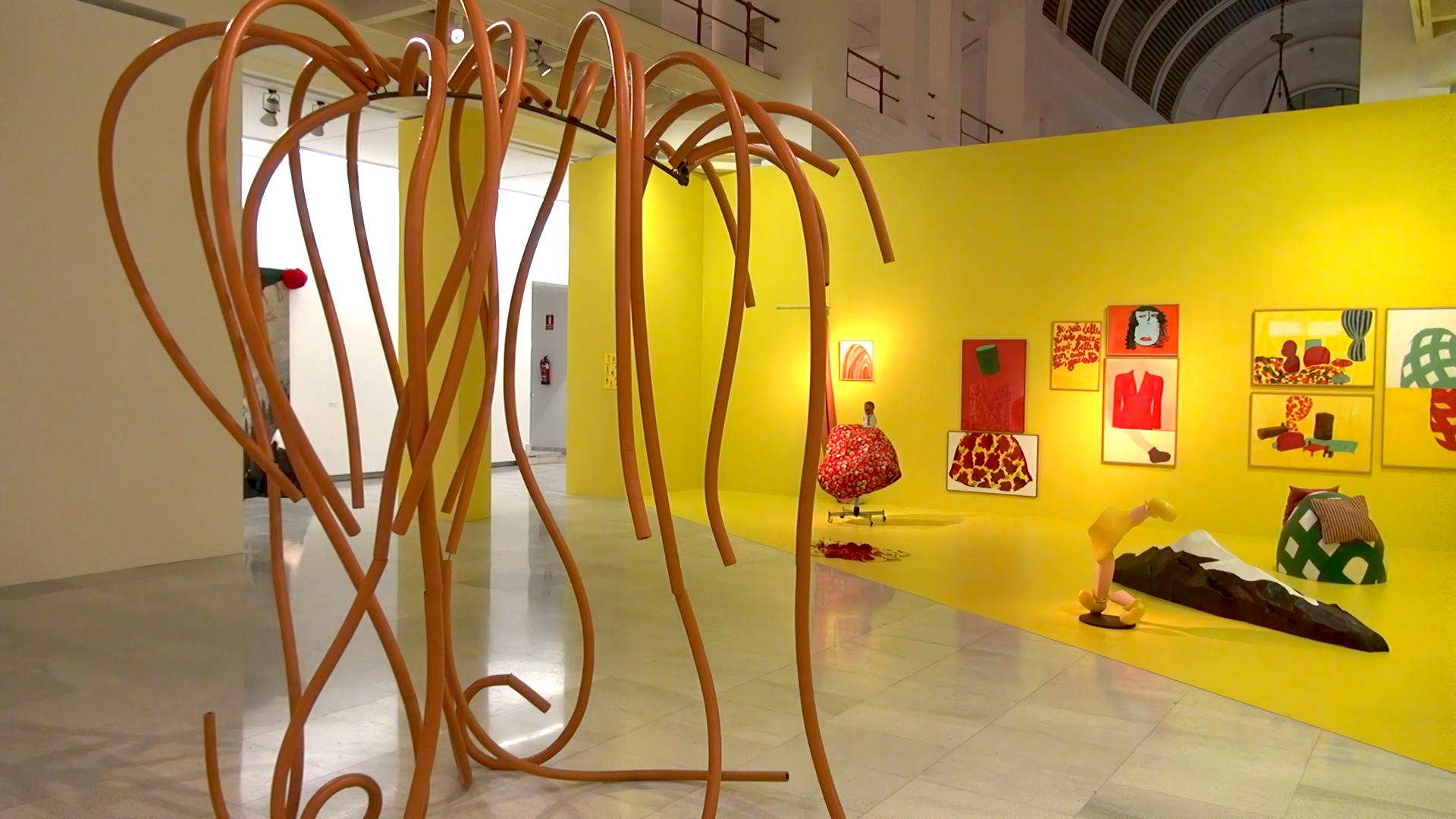
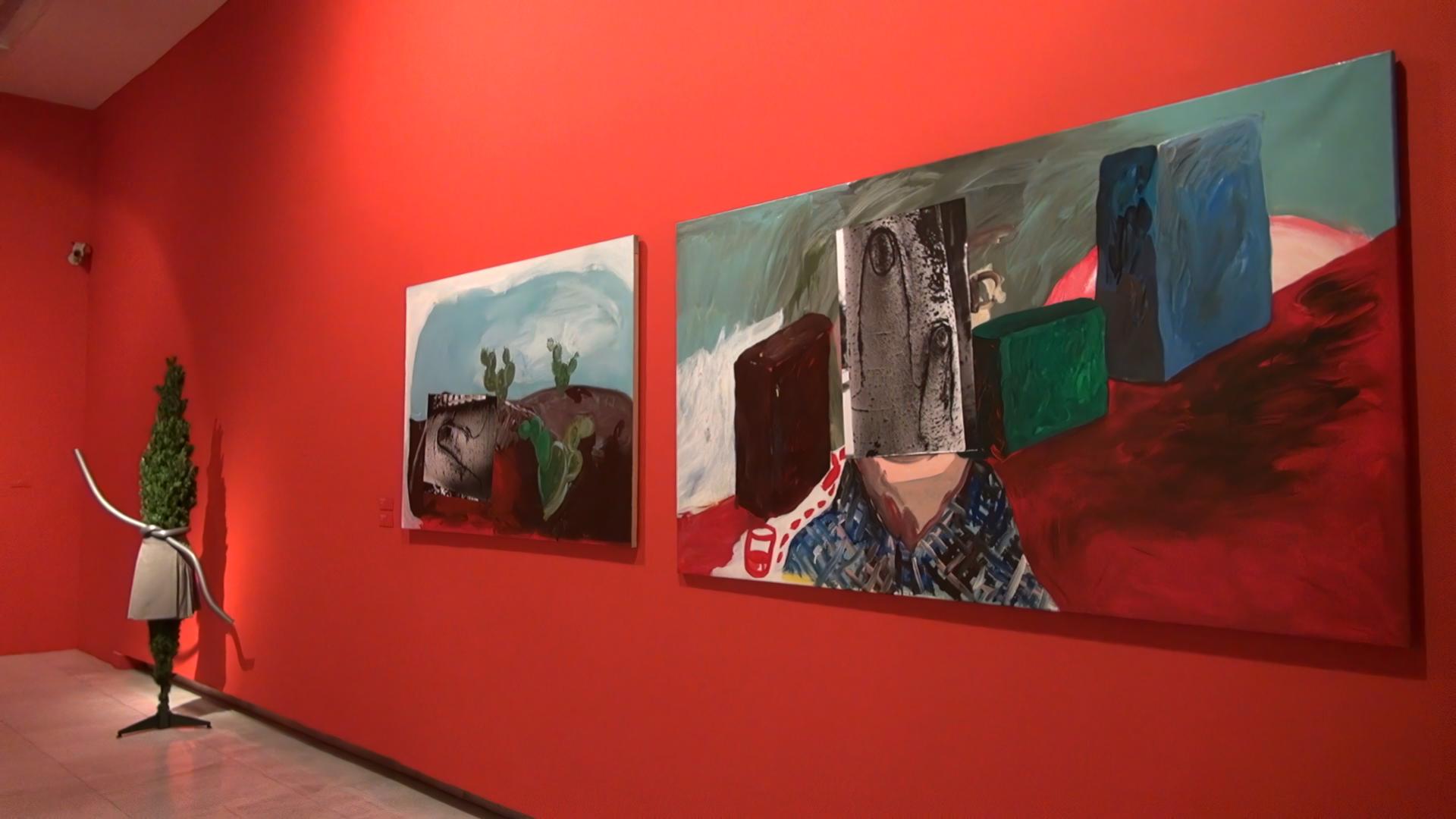
In 2012, the artist Elena Blasco asked us to make a documentary about her exhibition Millions and Abundant Reasons, which was held at Sala Alcalá 31 in Madrid. Over the course of thirty minutes, Blasco explains the crucial moments in her artistic evolution, how her works come into being, the ideas behind them, and the materials she uses. She also describes how they interact with each other and how their meaning changes depending on their placement within the exhibition space. Humour plays a decisive role in her work, but behind this light-hearted appearance lies a critical attitude towards social reality and the prejudices of the private sphere. Elena Blasco talks about painting, sculpture, photography, installations, drawings and engravings, works whose titles are often disconcerting and jocular, such as Ancha es Castilla y ni falta que me importa, Pensamiento fértil a más no poder or Ella se violaba a menudo también.
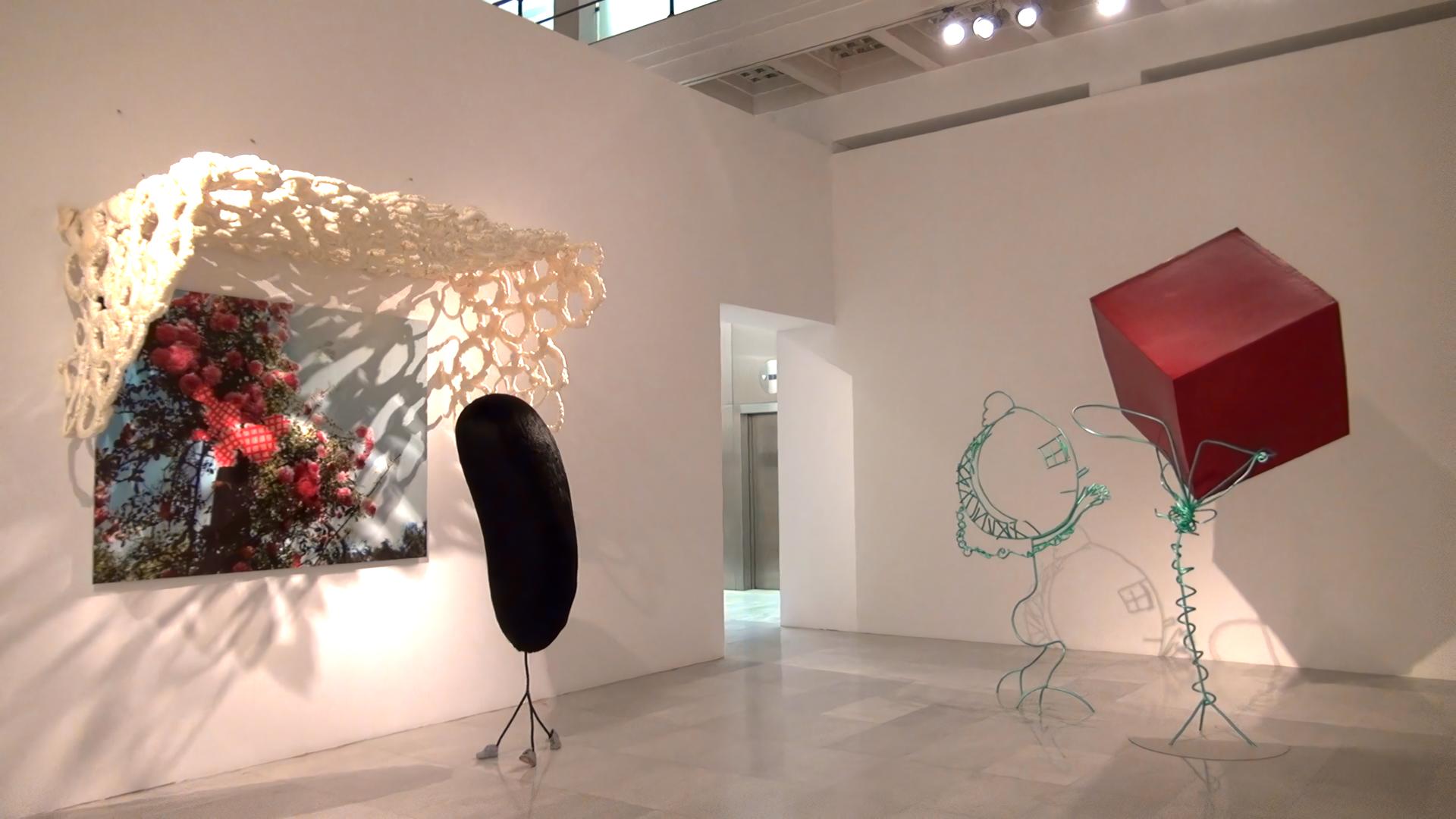
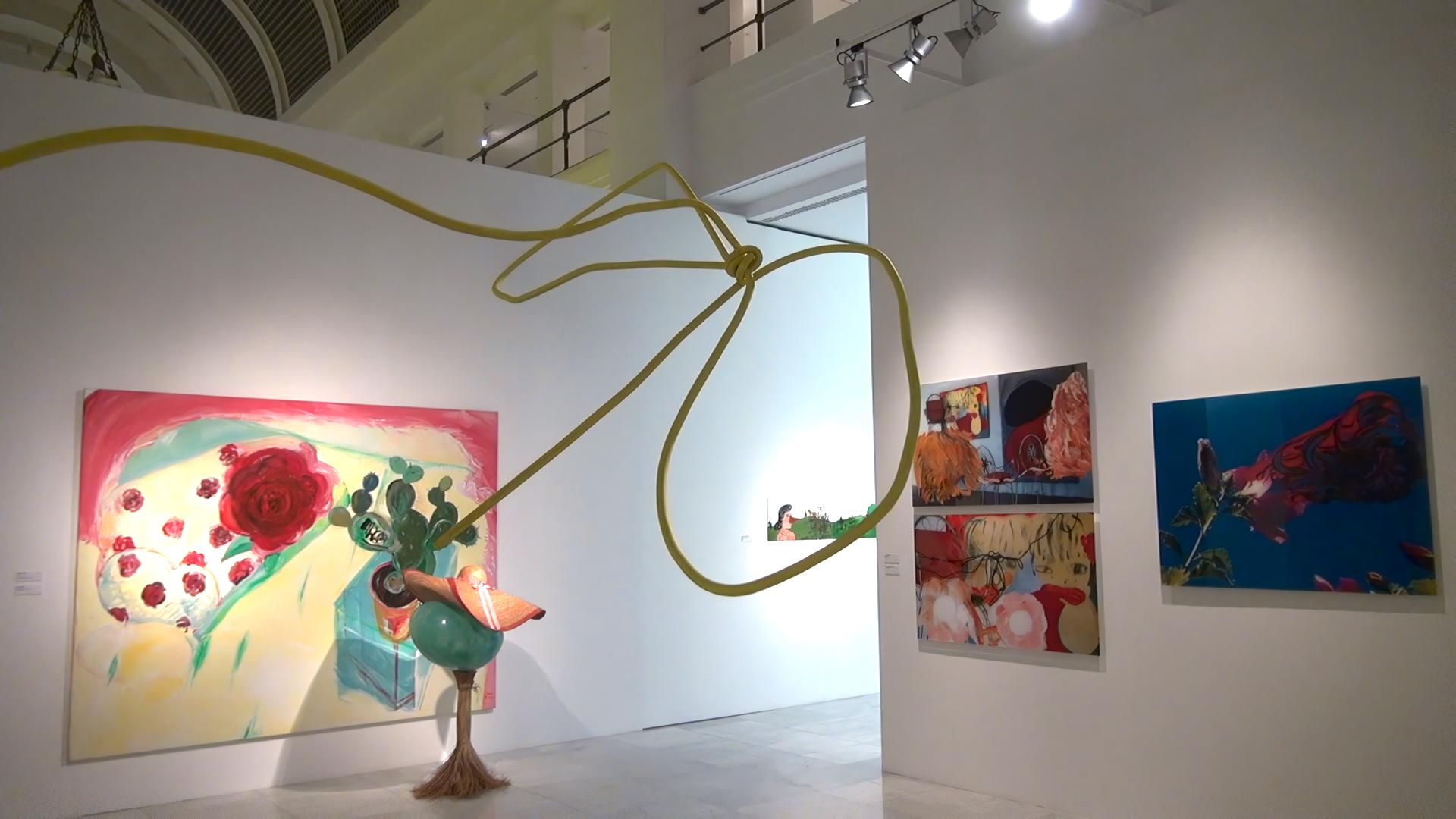
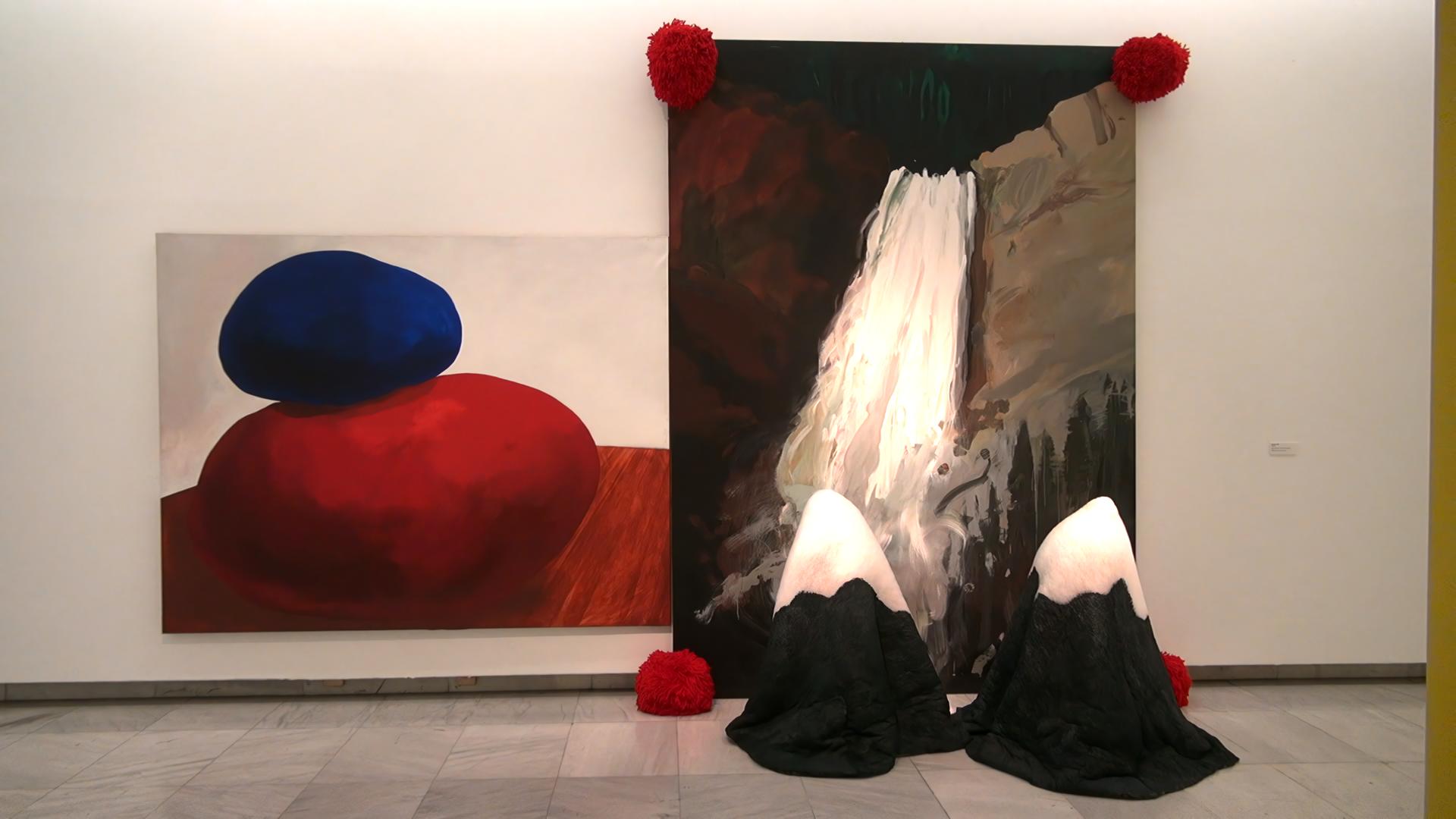
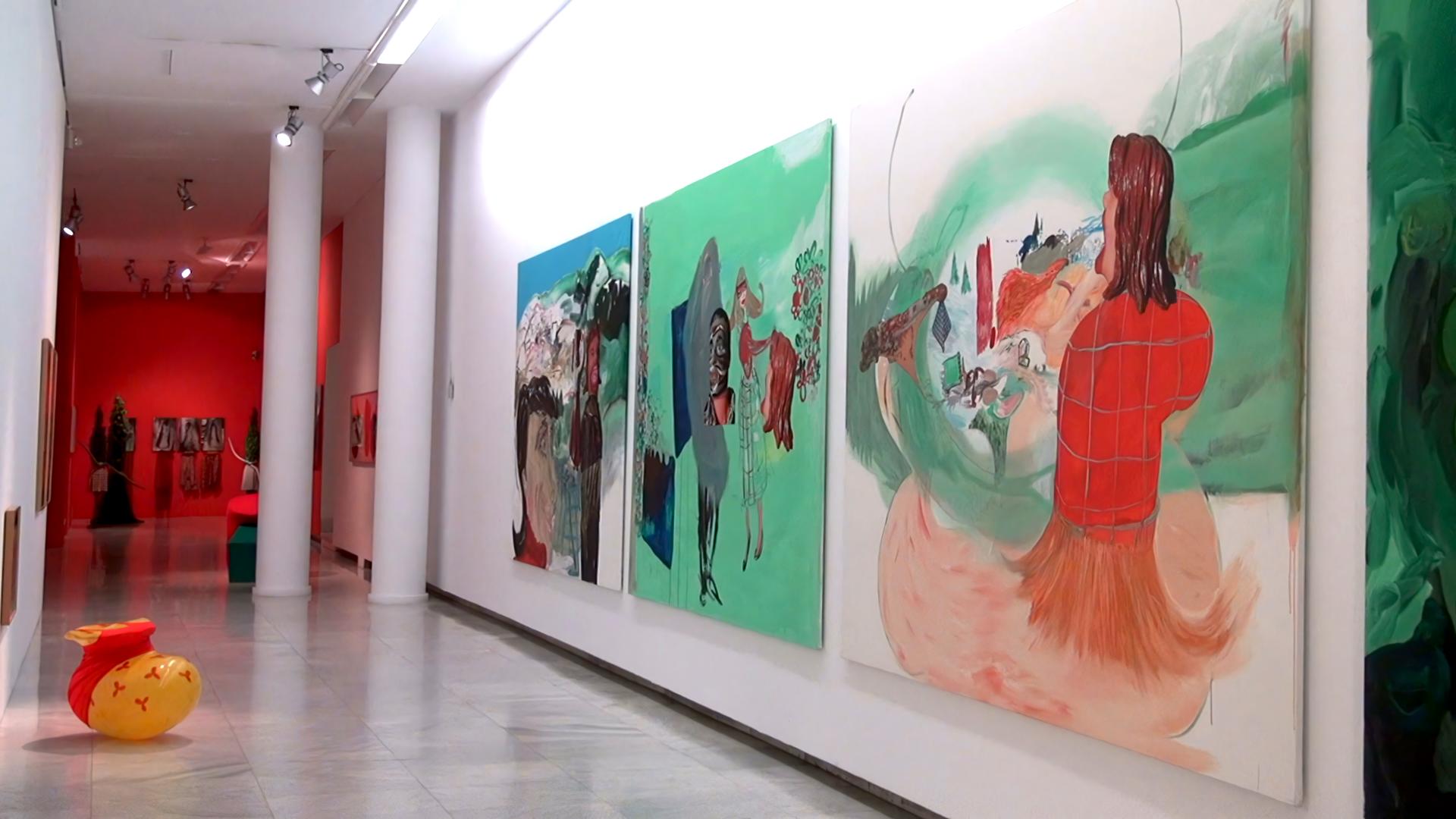
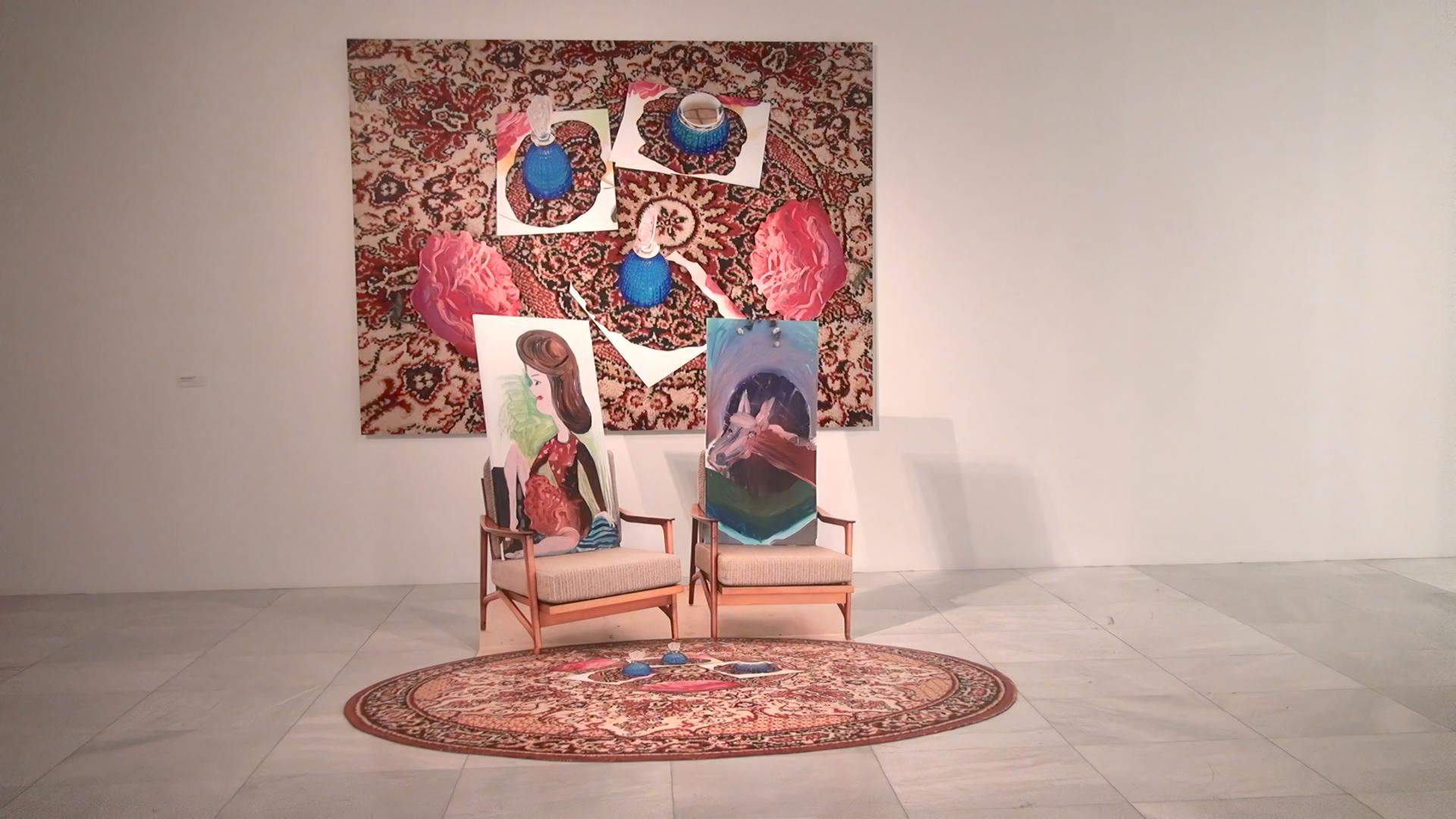
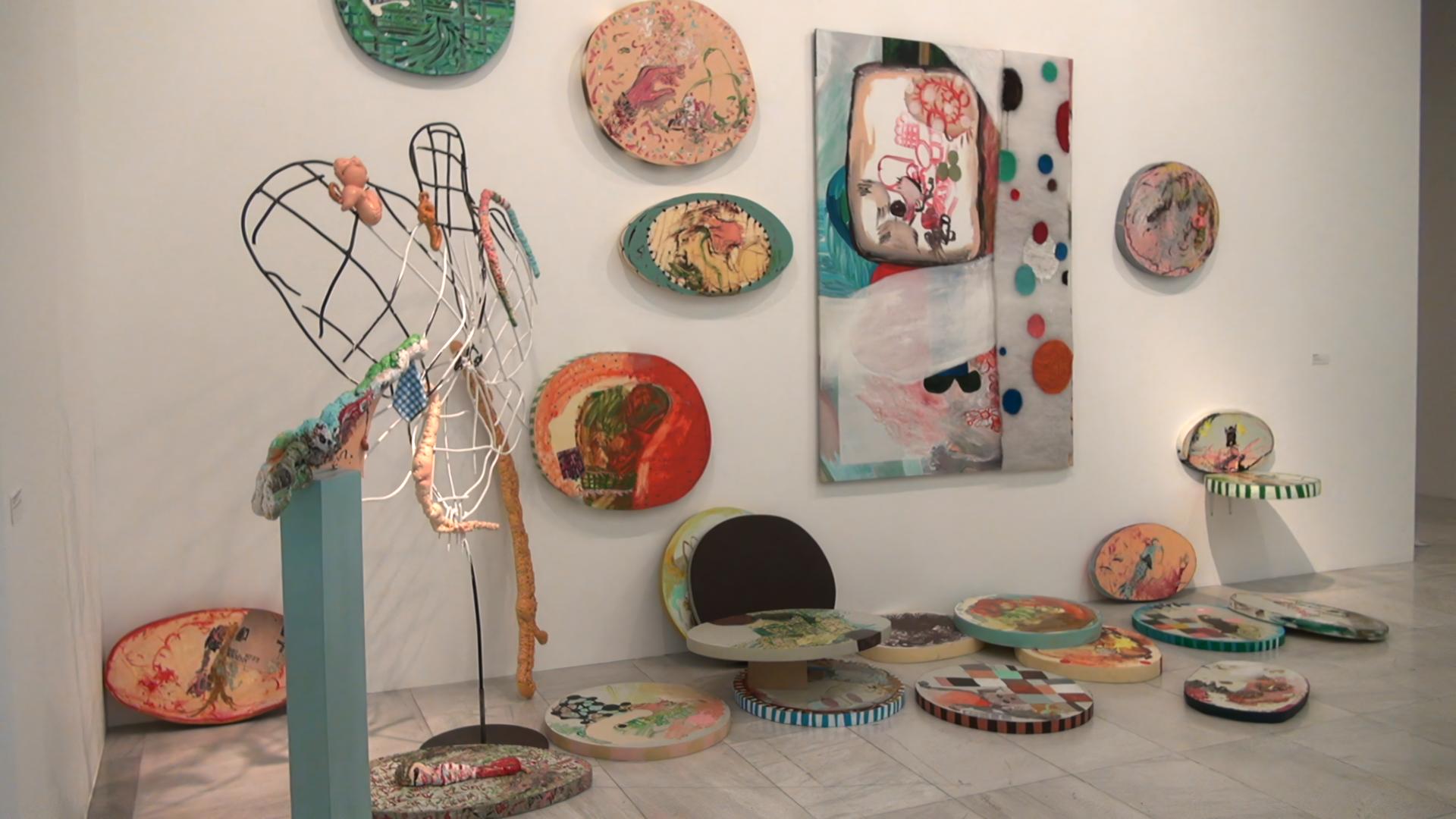

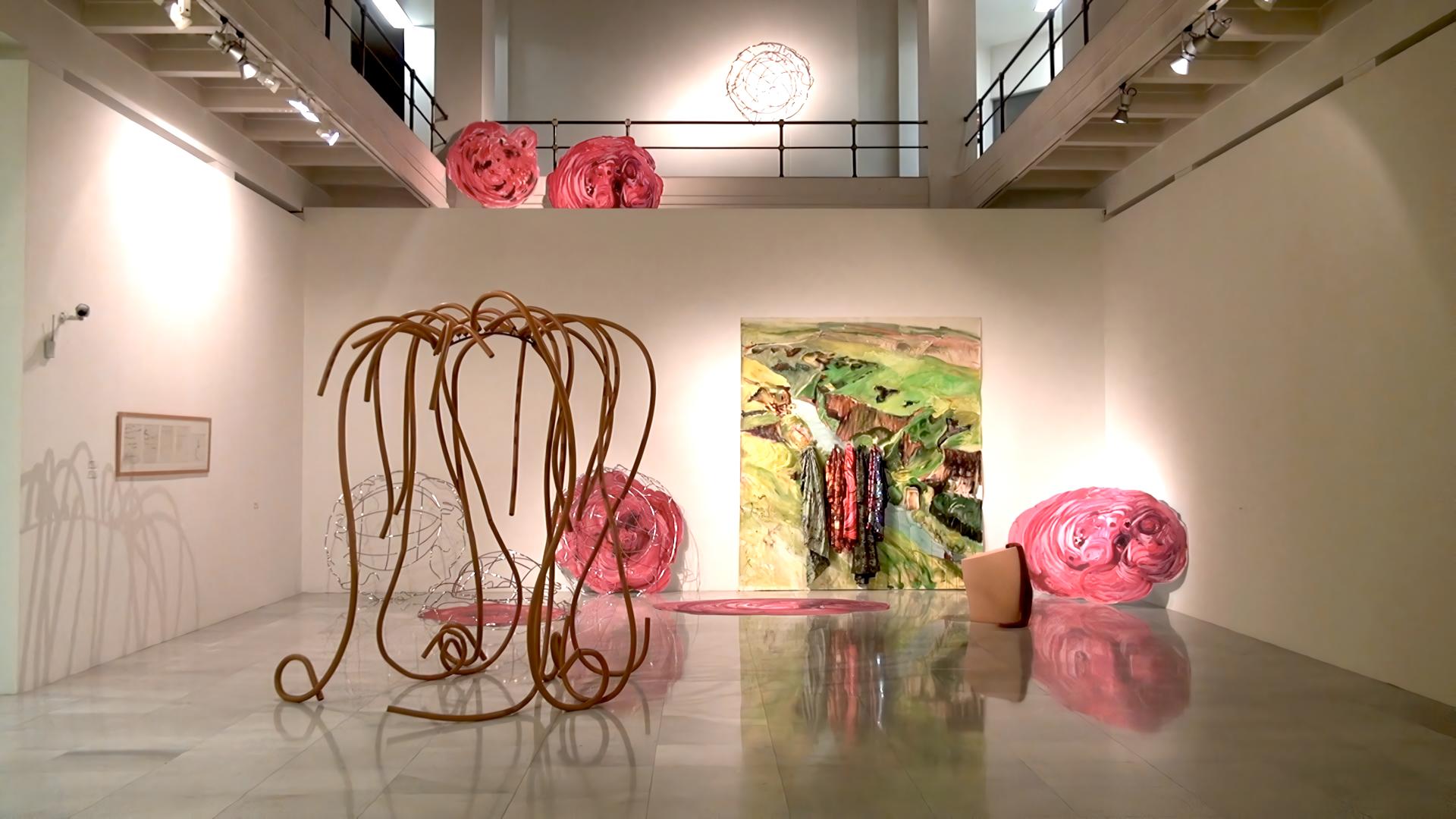
Excerpts from the exhibition catalogue
“I’ve never ‘thought’ of myself in terms of ‘what I am’ or ‘what I’m not.’ In Fine Arts School, I chose painting, and it’s true that when I started working, I clearly felt like a painter. But what happened—and I’m not talking about the first moments, but very early on—was that when I started making paintings, I knew precisely what was going to come out, the painting I was going to paint, as if I had a photograph before my eyes, I saw the final image with incredible clarity, so I just had to do it and that was it. At first, this was stimulating, but I soon realized that, having already ‘seen’ it beforehand, doing it was boring. That was, in fact, the reason I began to be interested in sculpture, or rather, the reason I started making objects. Because back then, I didn’t know what could happen. I wanted to see what would come out; I was interested in ‘not knowing how to do the thing.’ I wrote a short story about this subject a while ago. It talks about You have to do what you don’t know how to do. Do it from what you’re not; always be a beginner because what stimulates me is exploring. Boredom strikes when you know what you know. And that’s not it. Maybe, on second thought, I am a painter. I really like staining, getting dirty, working with colors… But I could also tell you something else.
“Here, what happens is that nothing is the same way, not a field, not a person, nothing is fixed. Here, everything mutates. And that’s easy to observe. So I try to ensure that these mutations occur simultaneously in the piece. Because I want to tell the whole world… That’s why they could also be infinite, in the sense that I take a piece from 1992 and would continue mutating it. I’ve done it with some in this exhibition, simply by placing an object of another sign next to it and zzsssss… they slide into another meaning, and those shifts are very good. Actually, my favorite ingredient is metaphor. So I can be very corny, but then I take it to horror by way of laughter. If you go beyond a fixed point of view, you can put a woman’s nose in her ear, as our friend did, because this is the same, but not with noses, but with meanings.
It’s true that I relativize, but not out of disbelief, which is also true (I’ll start now), but because I believe that this The world is very complex; that is, rich; that is, verbose, exuberant, shocking… Just look at an octopus! Or your grandfather! “I wasn’t aware of the humor in my work until people started insisting on it; they must have seen it very clearly. I didn’t see myself as someone with much of a sense of humor; I would have thought I was more serious. Not anymore. I don’t think I’m trying, at least not deliberately, to put up barriers. I use colors very deliberately to say whatever I want in whatever tone I want, and I can say it kindly, humorously, with a smile… I talk about what worries me, what bothers me, what obsesses me, or what drives me crazy. I know that when I speak with those colors, there will be people who will stop there. But, please… those reds are bloodstains even if they look like flowers. For me to be jovial because I use a lot of yellow is stupid. I’ve always fought with color as a throwing weapon, as the opposite of black, wood, iron, stone, against the large, the museum, the neutral, the heavy. My weapons are colors, common materials, lightness, and scales and sizes that have a physical connection with me.”
“I’d never thought my work had a contagious quality; if so, I suppose it means something stimulates or attracts the viewer. Of course, when I come across a work or an artist I truly like, I’d rush to the studio to work because, in some way, it’s charged me with energy. If what you’re saying were true and that happened to someone who sees my work, I’d be incredibly flattered. It would mean it had affected their perception. What has happened to me quite frequently is hearing comments like ‘how jovial,’ ‘how cheerful,’ ‘you must look wonderfully jovial’… And I wondered why a work that spoke of painful or terrible things had given someone so much joy. It also shocks me that my work is jarring, as if we didn’t live among poodles, broccoli, livers, fat toes, etc. Anyone who has ever really looked at a cat has something to be surprised about for a lifetime.”